Crawlspaces play a critical yet often overlooked role in maintaining a home’s structural stability, indoor air quality, and long-term durability. When moisture intrusion, poor ventilation, or foundation movement affects this space, homeowners face difficult decisions about how to address the problem effectively. Two commonly recommended solutions—crawlspace repair and crawlspace encapsulation—offer distinct benefits depending on the condition of the property and the underlying causes of damage. Understanding the differences between these approaches helps property owners make informed investments that protect both their homes and financial interests.
As construction standards evolve and environmental factors intensify, long-term crawlspace protection has become a priority in the waterproofing and foundation repair industry. Issues such as humidity buildup, mold growth, pest activity, and soil instability can escalate quickly if not managed with the right strategy. Choosing between targeted structural repairs and comprehensive moisture control solutions requires expert evaluation and careful planning. By exploring the functions, advantages, and long-term outcomes of crawlspace repair versus encapsulation, homeowners can confidently select the most effective method to safeguard their property for years to come.
Understanding Crawlspace Repair: Restoring Structural Integrity
Common Causes of Crawlspace Damage
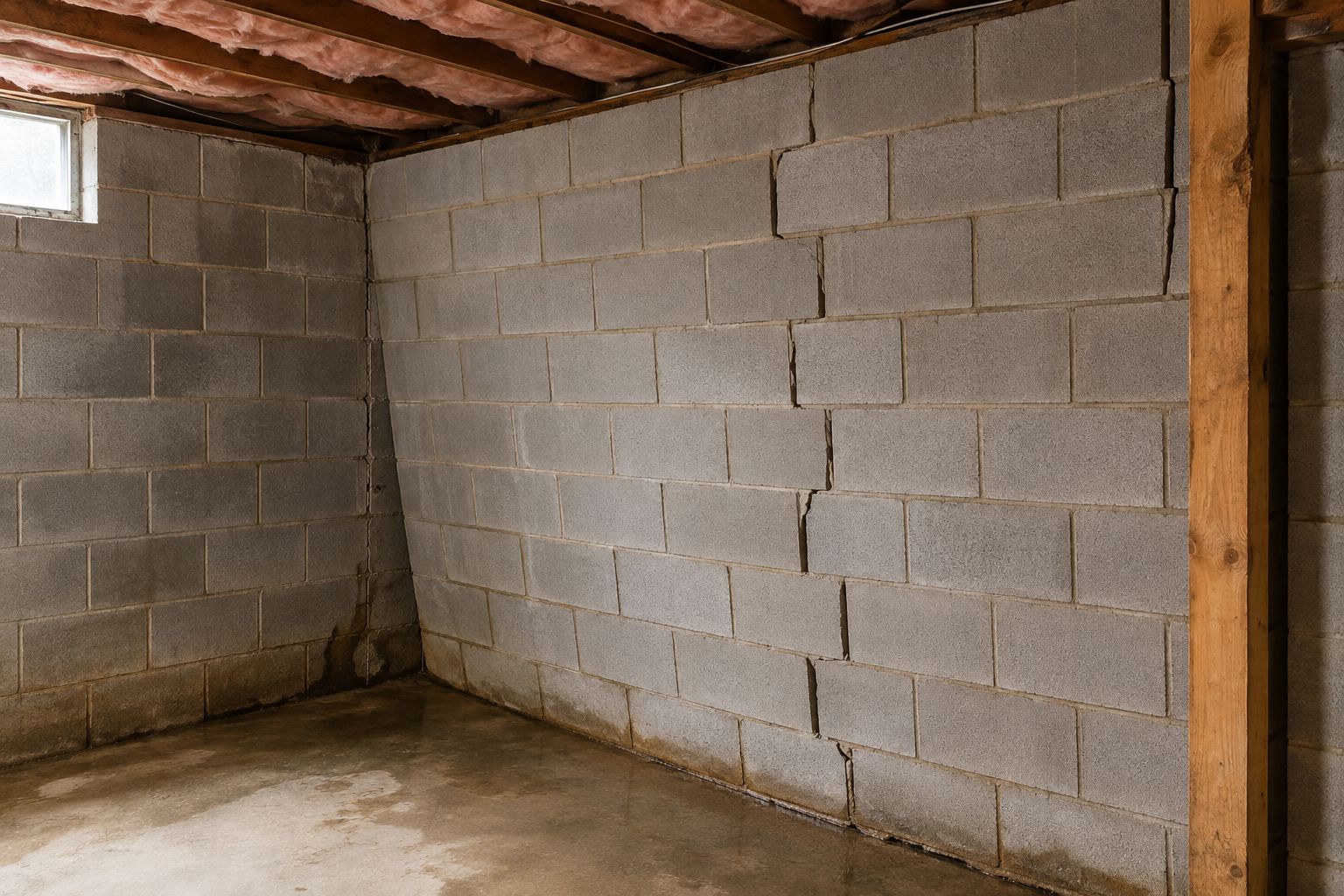
Crawlspace repair focuses on addressing specific structural or moisture-related problems that compromise the stability and safety of a home. Over time, issues such as foundation settlement, wood rot, pest damage, and standing water can weaken support beams, joists, and floor systems, reducing overall load-bearing performance. These conditions often develop due to inadequate drainage, poor grading around the home, or aging construction materials that gradually lose strength and resilience.
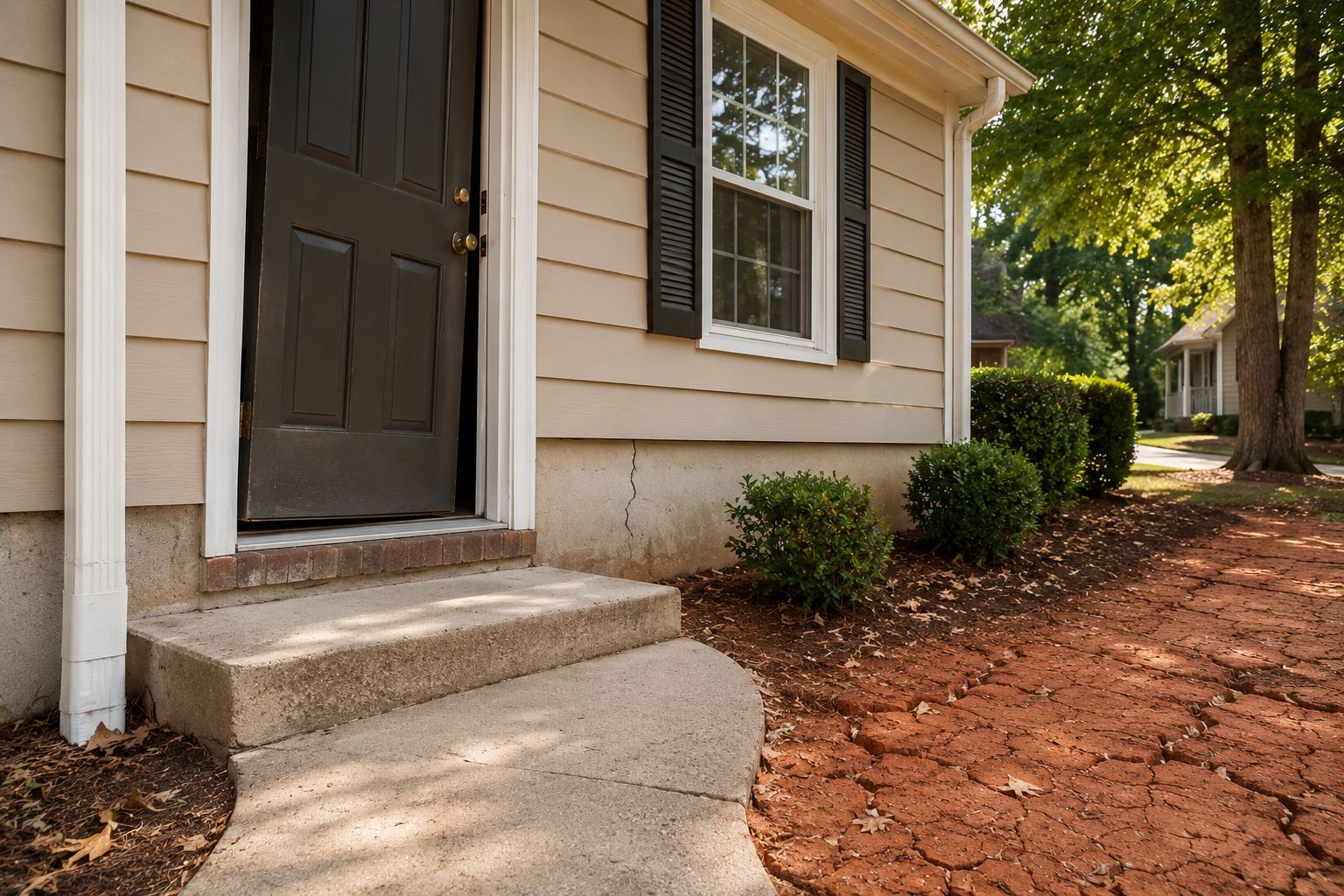
For example, in older homes, wooden support posts may deteriorate after years of exposure to damp soil conditions. When these components lose strength, homeowners may notice uneven flooring, cracks in interior walls, or doors that no longer close properly during seasonal humidity fluctuations. Identifying the root cause of damage is essential before any repair work begins to ensure accurate and lasting results.
Key Repair Techniques and Solutions
Effective crawlspace repair may involve reinforcing or replacing damaged beams, installing additional support piers, correcting foundation misalignment, or sealing localized moisture entry points to prevent further deterioration. Contractors often use specialized equipment to stabilize shifting soil and restore structural balance, ensuring that floor systems remain level and secure under normal household loads.
These repairs are typically recommended when the crawlspace shows visible signs of structural distress or progressive material weakening. Addressing these problems early helps prevent more extensive and costly reconstruction in the future while protecting property value. While repairs can significantly improve safety and functionality, they do not always eliminate environmental factors such as humidity or air leakage unless combined with additional protective measures.
Exploring Crawlspace Encapsulation: Creating a Controlled Environment
What Encapsulation Involves
Crawlspace encapsulation is a comprehensive moisture management solution designed to seal the area from external environmental influences that commonly contribute to structural degradation. This process usually includes installing heavy-duty vapor barriers on floors and walls, sealing vents, insulating surfaces, and sometimes adding dehumidification systems to maintain consistent humidity levels year-round.
Encapsulation transforms the crawlspace into a clean, dry, and conditioned environment that supports healthier indoor air circulation. Instead of reacting to damage after it occurs, this method focuses on preventing moisture infiltration and airborne contaminants from affecting structural components and insulation performance.
Benefits of Long-Term Moisture Control
Encapsulation offers several long-term advantages, including improved indoor air quality, reduced energy consumption, and protection against mold growth in concealed structural areas. Since a significant portion of indoor air can originate from the crawlspace, controlling this space directly impacts overall home comfort and occupant wellness.
In regions prone to high humidity or heavy rainfall, encapsulation can serve as a proactive defense against recurring moisture issues. By stabilizing environmental conditions, homeowners often experience fewer maintenance concerns, improved thermal efficiency, and enhanced property value over time.
Comparing Costs, Longevity, and Performance
Initial Investment vs. Long-Term Savings
One of the most common considerations when choosing between repair and encapsulation is cost and long-term financial planning. Crawlspace repairs typically involve lower upfront expenses when the issue is isolated and clearly defined. For instance, replacing a few damaged joists or installing support piers may resolve immediate structural concerns without requiring full system upgrades or environmental modifications.
Encapsulation, on the other hand, usually demands a higher initial investment due to the comprehensive materials, preparation work, and specialized labor involved. However, its preventive nature can reduce the likelihood of repeated repairs, pest infestations, or mold remediation costs in the future, providing meaningful savings over time.
Durability and Maintenance Requirements
Structural repairs can last for many years if underlying moisture conditions are effectively controlled and monitored. Without addressing environmental factors, however, repaired components may face recurring deterioration or reduced service life due to ongoing exposure. Encapsulation systems, when properly installed and maintained, provide consistent protection by minimizing exposure to humidity and temperature fluctuations.
Homeowners must also consider maintenance commitments associated with each solution before making long-term decisions. Encapsulated crawlspaces may require periodic inspections and servicing of dehumidification equipment, whereas repaired spaces may need ongoing monitoring for new damage indicators or moisture intrusion signs.
Real-World Scenarios: When Each Solution Works Best
Situations Favoring Crawlspace Repair
Targeted repairs are often the preferred option when damage is localized and environmental conditions remain manageable without extensive intervention. For example, if a plumbing leak caused temporary moisture exposure that weakened a support beam, repairing or replacing that beam may restore structural integrity without extensive system modifications or sealing efforts.
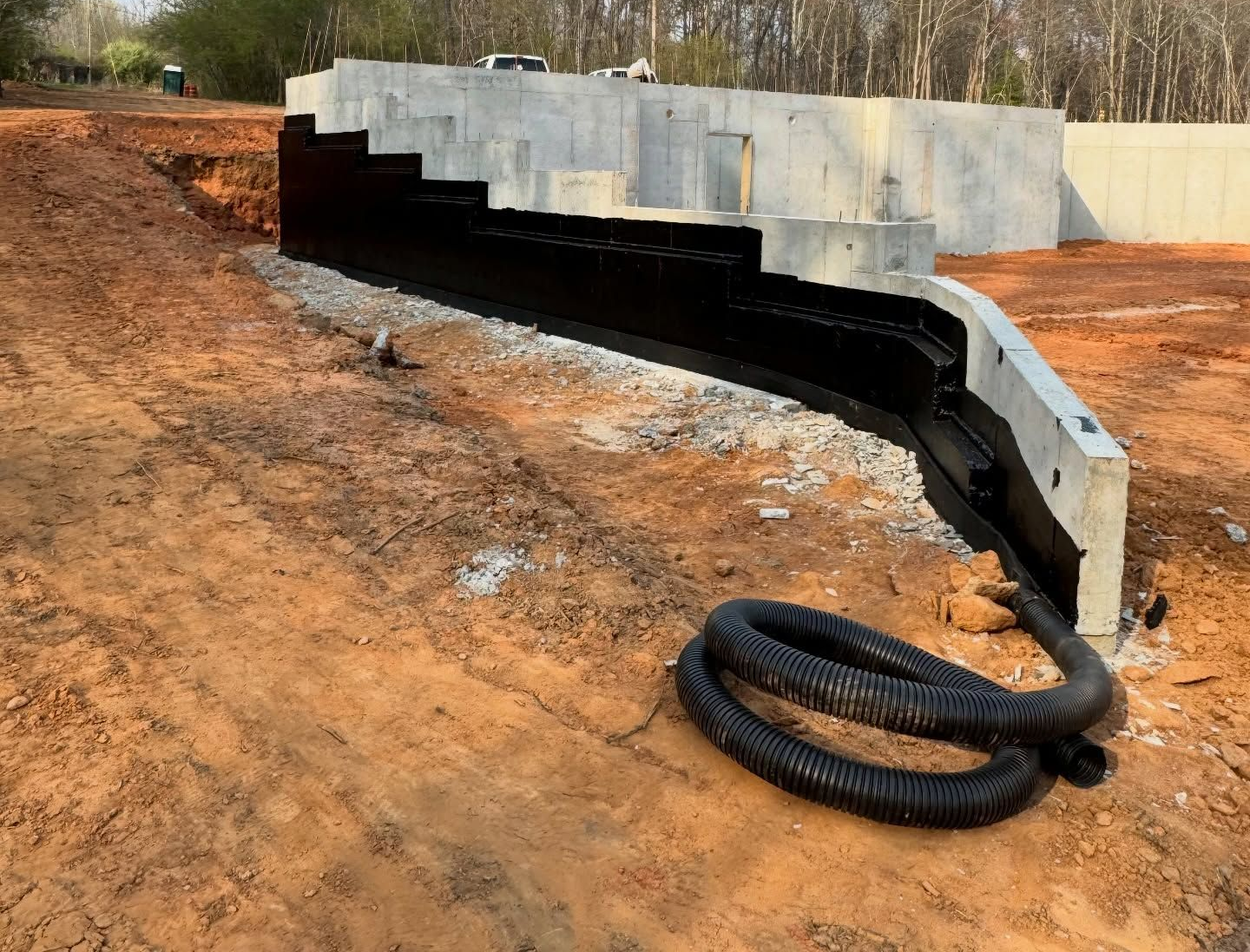
Similarly, homes with naturally well-drained soil and proper ventilation may not require full encapsulation for adequate performance. In these cases, strategic repairs combined with improved drainage solutions can provide sufficient long-term stability and dependable structural support.
Situations Favoring Encapsulation
Encapsulation becomes the more effective solution when moisture issues are persistent, widespread, or influenced by challenging environmental conditions. Properties located in flood-prone areas, regions with high groundwater levels, or neighborhoods with poor stormwater management systems often benefit from full crawlspace sealing and moisture isolation.
Additionally, homeowners planning major renovations or long-term occupancy may choose encapsulation to create a healthier living environment indoors. By proactively addressing air quality and moisture control, this approach supports both structural preservation, improved insulation efficiency, and occupant well-being.
Best Practices for Long-Term Crawlspace Protection
Comprehensive Inspections and Professional Guidance
Selecting the right solution begins with a thorough crawlspace inspection conducted by experienced professionals using advanced diagnostic tools. Detailed evaluations help determine whether structural repairs, encapsulation, or a combination of both will deliver the most durable and cost-effective results.
Experts typically assess soil conditions, drainage patterns, humidity levels, and visible signs of deterioration before recommending a tailored strategy. This data-driven approach reduces guesswork and ensures that homeowners invest in solutions aligned with their property’s unique needs and long-term performance goals.
Integrating Preventive Maintenance Strategies
Regardless of the chosen method, preventive maintenance plays a vital role in extending crawlspace performance and structural reliability. Routine checks for leaks, proper gutter function, and exterior grading improvements help minimize future risks and water intrusion.
Homeowners should also monitor interior indicators such as musty odors, increased allergy symptoms, or rising energy bills over time. By combining proactive monitoring with timely professional intervention, it becomes possible to protect structural components and maintain a safe, comfortable living environment for decades.
Professional Crawlspace Care Built on Proven Experience
Crawlspace repair and encapsulation represent two essential strategies for preserving a home’s stability, comfort, and long-term value. While repairs focus on correcting specific structural issues, encapsulation provides a broader environmental defense by controlling moisture, improving air quality, and reducing energy inefficiencies. Determining which solution offers the best long-term protection depends on factors such as the severity of existing damage, regional climate conditions, soil characteristics, and future property goals. By understanding the distinct advantages and limitations of each approach, homeowners can make confident decisions that safeguard their investments and prevent recurring complications.
Long-term crawlspace protection is not simply about resolving visible problems; it involves anticipating potential risks and implementing solutions that support lasting performance. Whether reinforcing weakened supports or creating a fully sealed moisture barrier, strategic planning ensures that homes remain resilient against environmental stressors. Consulting experienced professionals for detailed inspections and tailored recommendations helps homeowners select solutions that align with both structural needs and budget considerations. Ultimately, proactive crawlspace management contributes to improved indoor comfort, reduced maintenance demands, and enhanced property value.
We understand that protecting a home’s foundation and crawlspace requires expertise, precision, and a commitment to long-term results. At Apex Waterproofing & Foundation Repair LLC, our waterproofing service solutions are designed to address complex moisture challenges while strengthening structural integrity. Serving homeowners throughout Hall County, GA, we bring 10
years of hands-on industry experience to every project, ensuring practical strategies that prioritize durability and performance. Our approach focuses on thorough assessments, transparent guidance, and tailored repair or encapsulation options that support lasting protection. By combining proven techniques with a customer-focused mindset, we help property owners create safer, healthier living environments. Choosing reliable professionals for crawlspace solutions can make a meaningful difference in preventing costly damage, improving indoor conditions, and maintaining peace of mind for years to come.
Recent Posts