Foundation cracks are a common concern for homeowners, yet understanding which cracks indicate a serious problem versus those that are harmless can be challenging. Homes naturally settle over time, and minor cracks often appear as part of this normal process. However, distinguishing between cosmetic issues and structural concerns requires careful observation, knowledge of common patterns, and awareness of environmental factors that may accelerate damage. Ignoring certain signs can lead to costly repairs, safety hazards, and even reduced property value. Early detection and timely action are essential, as foundation problems rarely resolve on their own. With the right knowledge, homeowners can prioritize repairs effectively, avoid unnecessary stress, and maintain the structural integrity of their property for years to come. This guide aims to provide a clear framework for evaluating foundation cracks, helping homeowners make informed decisions about maintenance, inspection, and repair.
Recognizing the difference between normal settlement cracks and dangerous structural damage can prevent unnecessary stress and expense. By learning the key indicators of serious foundation issues, understanding common causes, and knowing what corrective measures are appropriate, homeowners can take proactive steps to protect their investment. From hairline cracks in drywall to shifting concrete slabs, every detail matters. Paying attention to subtle warning signs and patterns over time allows for early intervention, potentially saving thousands in future repair costs. This blog explores the types of foundation cracks, identifies warning signs, explains underlying causes, and offers practical guidance for addressing concerns before they escalate into severe structural problems. By following these insights, homeowners gain confidence in maintaining a safe and stable home environment.
Understanding Foundation Cracks
What Causes Foundation Cracks?
Foundation cracks occur due to a combination of natural settlement, soil conditions, moisture fluctuations, and construction practices. Concrete naturally shrinks as it cures, which can result in small, superficial cracks. Soil type plays a significant role: expansive clay soils swell when wet and shrink during dry periods, placing pressure on the foundation. Other contributing factors include tree roots, plumbing leaks, and heavy construction nearby. Recognizing the underlying cause helps determine the severity and urgency of repair.
Types of Cracks to Recognize
Cracks in foundations can be categorized based on shape, size, and location:
- Hairline Cracks: Thin, less than 1/8 inch, often a result of minor settlement. These are typically cosmetic.
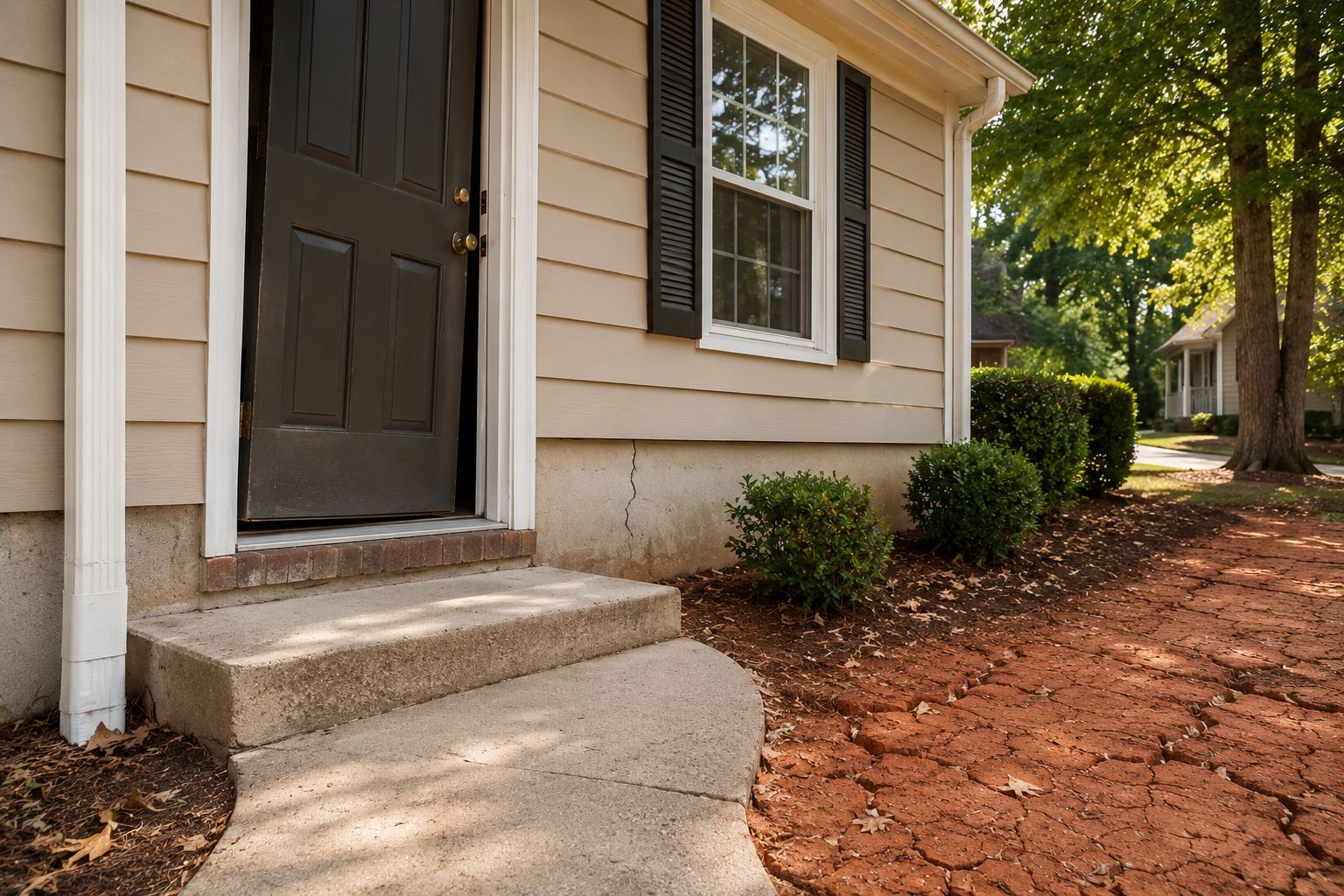
- Vertical Cracks: Straight cracks that run perpendicular to the foundation. They can appear in poured concrete or block walls. Vertical cracks are often caused by shrinkage and are usually less critical.
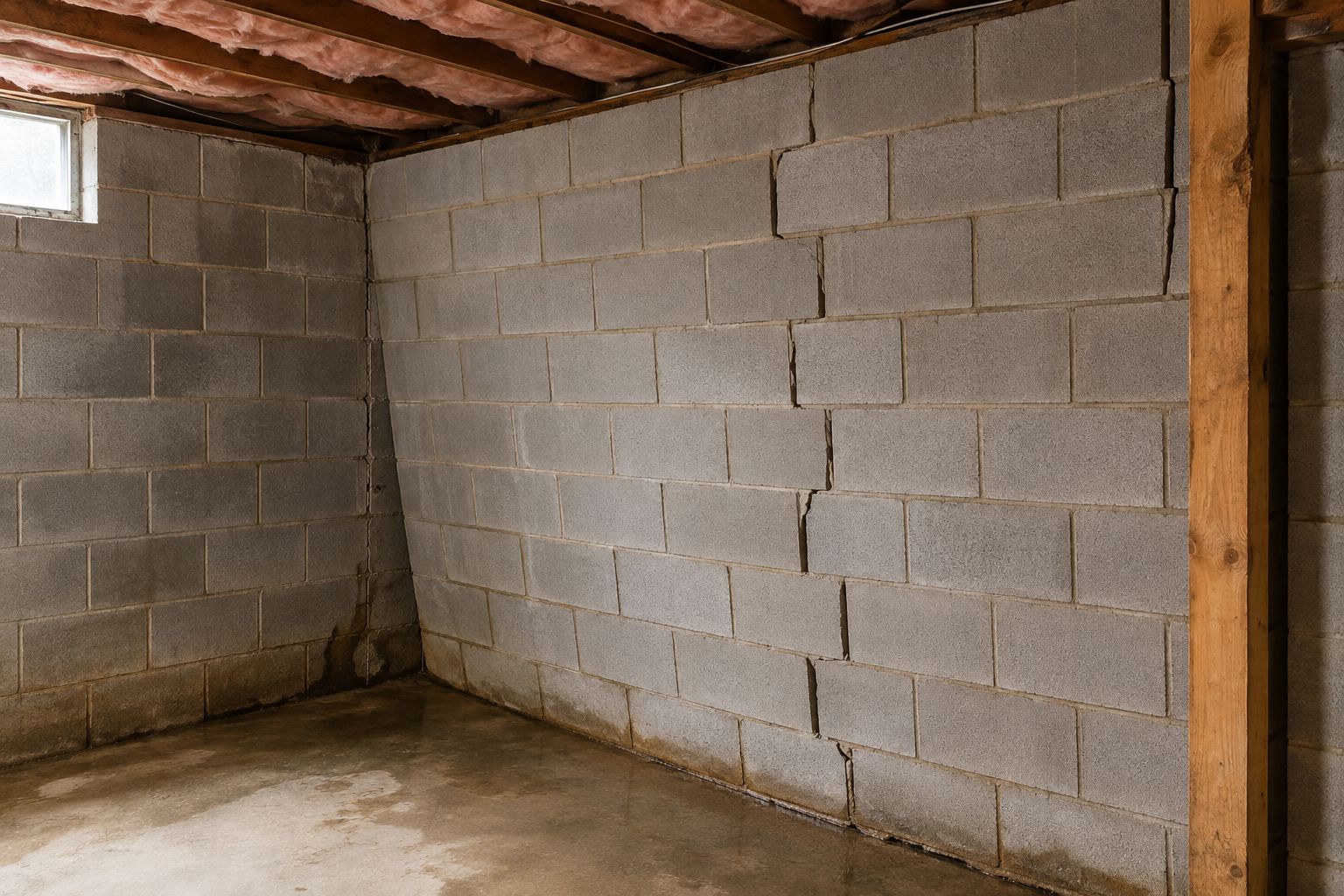
- Horizontal Cracks: Run parallel to the foundation and can indicate significant structural pressure from soil or water. These are more serious and require immediate attention.
- Stair-Step Cracks: Occur in brick or block foundations and follow the mortar joints. They may signal uneven settling and potential structural issues.
Observing Crack Patterns
Monitoring cracks over time can reveal trends that indicate stability or ongoing movement. Take measurements, photograph the cracks, and check for changes after rainfall or seasonal shifts. Rapid widening, displacement, or new cracks appearing may signal a more serious problem.
Normal vs. Dangerous Cracks
What’s Considered Normal?
Normal cracks generally appear during the first few years of a home’s life as the structure settles. Hairline cracks, minor shrinkage in concrete, or small vertical cracks in walls are typically harmless. These cracks rarely grow and often do not affect the integrity of the foundation. Cosmetic repairs, such as patching or painting, can address appearance concerns without structural intervention.
Signs of Dangerous Cracks
Cracks become dangerous when they indicate underlying foundation movement or instability. Key warning signs include:
- Wide Cracks: Larger than 1/4 inch, especially when widening over time.
- Horizontal Cracks: May indicate bowing or lateral pressure, a serious structural concern.
- Water Intrusion: Cracks that allow moisture to enter can lead to mold growth and further deterioration.
- Misaligned Doors or Windows: Difficulty closing or opening doors and windows can suggest foundation shifting.
- Stair-Step Cracks: Especially in masonry walls, these can indicate uneven settlement.
Dangerous cracks require prompt evaluation and often structural repair. Early identification prevents further movement, protects home value, and reduces long-term repair costs.
Causes and Contributing Factors
Soil Movement and Settlement
Soil is the most common factor behind foundation cracks. Expansive soils swell when wet and shrink when dry, exerting considerable pressure on the foundation over time. Poorly compacted fill, erosion, or changes in landscaping can exacerbate movement, causing uneven settling and potential long-term structural issues if left unaddressed.
Water Damage
Excessive moisture from poor drainage, heavy rainfall, or plumbing leaks can weaken the soil supporting the foundation, gradually compromising stability. Standing water near the foundation increases hydrostatic pressure, leading to cracks, wall bowing, and in severe cases, interior flooding or mold growth.
Construction and Material Factors
Foundation quality and construction practices also strongly influence crack development. Rapid curing of concrete, inadequate reinforcement, or poor workmanship may result in early shrinkage cracks that worsen over time. Aging materials in older homes may develop stress fractures, especially under continuous structural stress or environmental pressure.
External Forces
Nearby construction, heavy vehicles, or root growth from large trees can apply localized pressure to foundation walls. Over time, these external forces contribute to shifting, uneven settlement, and significant structural stress, highlighting the importance of consistently monitoring both the foundation and surrounding landscape for potential risks.
Inspection and Monitoring
Regular Visual Inspection
Consistent inspection is essential for maintaining a safe and stable foundation. Examine walls, floors, and basement areas for new or expanding cracks. Check door frames, window alignment, and tile flooring for subtle shifts, and document observations with detailed photos and measurements over time for accurate tracking.
Using Tools for Precision
For more precise monitoring, utilize crack gauges, levels, or laser measuring tools to detect movement accurately. These help determine whether cracks are widening, deepening, or shifting vertically or horizontally. Professional inspections may include soil testing and structural assessment to evaluate load distribution and foundation integrity effectively.
Seasonal and Environmental Considerations
Observe foundation behavior during different weather conditions and seasonal changes. Soil expands in wet seasons and contracts during droughts, which may temporarily alter crack appearance. Monitoring these fluctuations helps distinguish between normal seasonal movement and persistent structural issues that require immediate attention.
Repair Options and Best Practices
Cosmetic Repairs
Minor hairline cracks often require only cosmetic intervention to maintain appearance. Use epoxy fillers, masonry caulk, or sealants to patch cracks and prevent moisture entry. These simple repairs protect interior spaces without structural alteration, enhancing home aesthetics and preventing minor damage from worsening.
Structural Repairs
Significant cracks, especially horizontal or stair-step patterns, often require professional foundation repair for long-term stability:
- Underpinning: Stabilizes the foundation by extending support deeper into stable soil layers.
- Piering: Uses steel or concrete piers to lift and support sagging foundation sections effectively.
- Wall Anchors: Reinforce bowing walls from outside pressure to prevent further movement.
Selecting the appropriate method depends on crack type, soil conditions, home layout, and overall structural stability, ensuring repairs provide lasting protection.
Preventive Maintenance
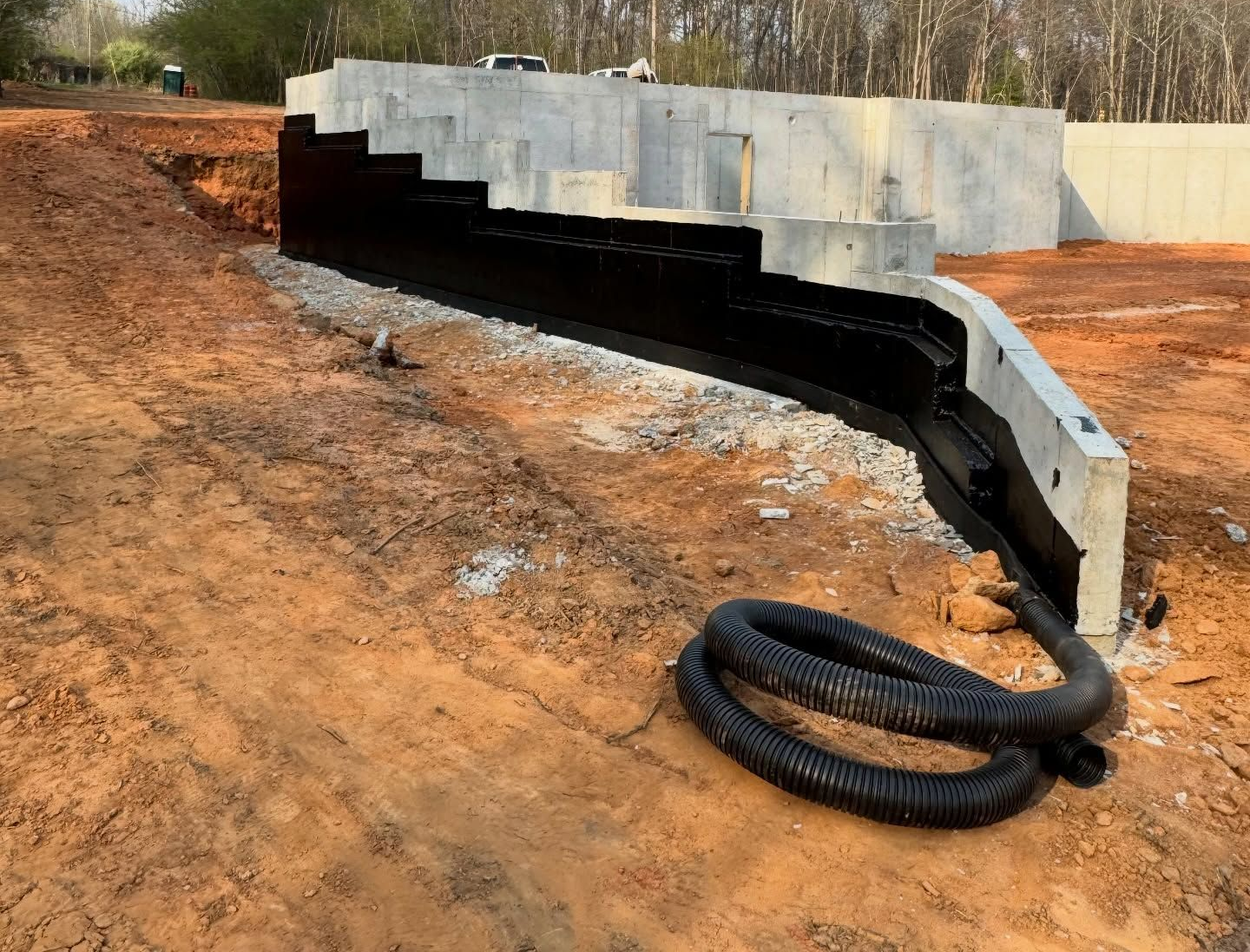
Preventing foundation damage begins with managing water around the home efficiently. Proper grading, gutter management, and strategic landscaping reduce soil movement and foundation stress. Avoid planting large trees too close, inspect plumbing for leaks regularly, and maintain consistent moisture levels around the perimeter to minimize cracking risks effectively.
When to Call a Professional
Recognizing Red Flags
Professional evaluation is warranted when cracks widen rapidly, horizontal cracks appear, or water intrusion becomes evident. Misaligned doors or windows, uneven floors, and visible wall displacement also indicate the need for thorough expert assessment to prevent further structural compromise.
Benefits of Expert Assessment
Professionals provide comprehensive structural evaluation, soil testing, and repair recommendations tailored to the property’s specific conditions. Early intervention preserves foundation integrity, ensures home safety, and protects investment value. Attempting DIY repairs on serious cracks may worsen problems or mask underlying causes unnecessarily.
Choosing the Right Expert
Select a provider with proven experience, proper licensing, and transparent repair practices for long-term reliability. Request inspection reports, references, and detailed explanations of recommended repair methods. Reliable experts provide guidance, cost estimates, and solutions addressing both immediate and future concerns effectively, ensuring homeowners gain peace of mind confidently.
Professional Foundation Services Focused on Lasting Results
Foundation cracks vary widely in severity. While minor hairline cracks are often normal and cosmetic, horizontal, stair-step, or widening cracks signal structural concerns that require immediate attention. Understanding the causes of cracks, monitoring patterns, and taking preventive measures are essential for maintaining a safe, stable home. Homeowners can protect property value and prevent costly repairs by distinguishing between normal settlement and dangerous damage.
Apex Waterproofing & Foundation Repair LLC
brings 10
years of experience in safeguarding homes from
foundation damage. Specializing in waterproofing and structural stabilization in Hall County, GA, expertise combines advanced techniques with practical solutions. Services include comprehensive inspections, customized repair plans, and proactive maintenance strategies. Apex Waterproofing & Foundation Repair LLC
is committed to providing reliable, long-lasting results that preserve home safety and value. Homeowners gain confidence knowing issues are addressed promptly and professionally, backed by proven experience and a commitment to excellence. Entrust foundation concerns to specialists who prioritize structural integrity, quality workmanship, and peace of mind for every property.
Recent Posts