You walk down to the basement after two days of hard rain and feel that soft squish under your shoes before you even see the water. A dark line creeps along the bottom of the wall, and the air carries that damp mineral smell that tells you this is not the first time. Maybe instead a corner of the yard stays soggy for days. Whatever brought you here, you want one thing: to keep water away from your home for good.
Here is the short answer. French drains, sump pumps, and exterior drainage each solve a different part of the same problem, and the right drainage solution depends on where the water comes from and how it moves across your lot. We have diagnosed enough wet foundations to tell you most failed jobs come from picking the wrong tool. Get the diagnosis right and the fix usually follows.
Start by Finding Where the Water Is Coming From
Trace the water to its source before you commit to any fix. Most homeowners treat the symptom and watch it return within a season.
- Walk your yard during or right after heavy rain and watch where water collects and which way it flows toward the house.
- Check your gutters and downspouts for overflow, clogs, or a spout that dumps within a few feet of the wall.
- Stand back and look at the grade to see whether the ground slopes toward the house or away from it.
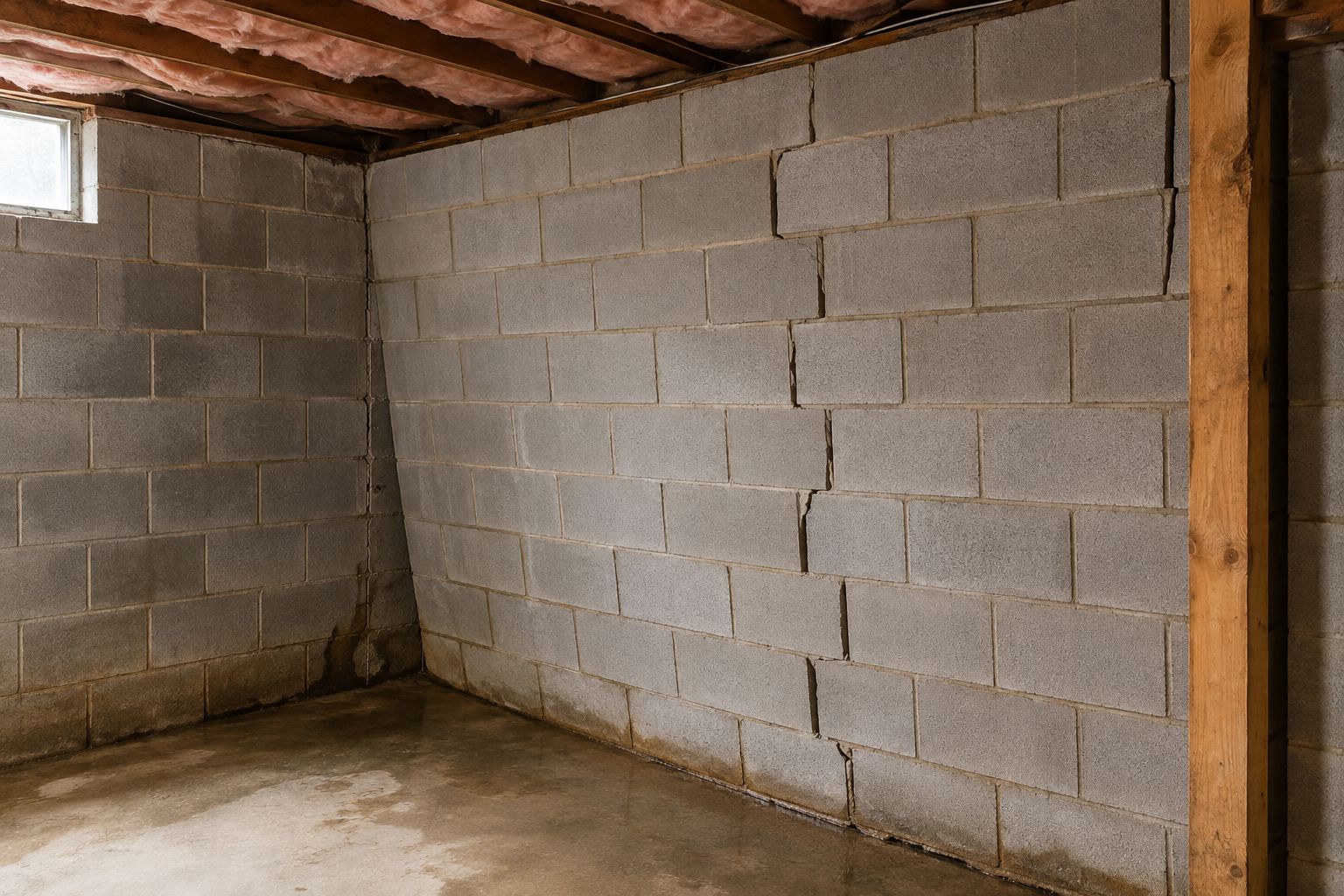
- Inside, note where water enters: a wall crack, the floor joint, a window well, or seepage across a wall.
TIP: Tape a square of aluminum foil flat against a damp wall and leave it overnight. If moisture collects on the room side, you are fighting humidity. If it collects behind the foil, water is pushing through from outside, which points to drainage rather than condensation.
WARNING: If you see standing water near outlets, the furnace, the water heater, or an electrical panel, do not wade in. Shut off power to that area at the breaker first. A failed pump in a flooded pit can energize the water around it, a serious shock hazard.
Why Water Builds Up Around Your Foundation
Water collects around a foundation because the soil cannot carry it away fast enough. The most common culprit is grading that slopes toward the house, funneling rain straight to the base of the walls.
Once the soil there saturates, hydrostatic pressure takes over. A column of waterlogged soil pushes against the wall with real force, and it only needs a crack thinner than a credit card to find its way inside. A roof shedding rain across a thousand square feet sends over 600 gallons toward the ground for every inch of rainfall, so a downspout ending within three feet of the wall soaks the exact spot you want dry.
What French Drains, Sump Pumps, and Exterior Drainage Each Do
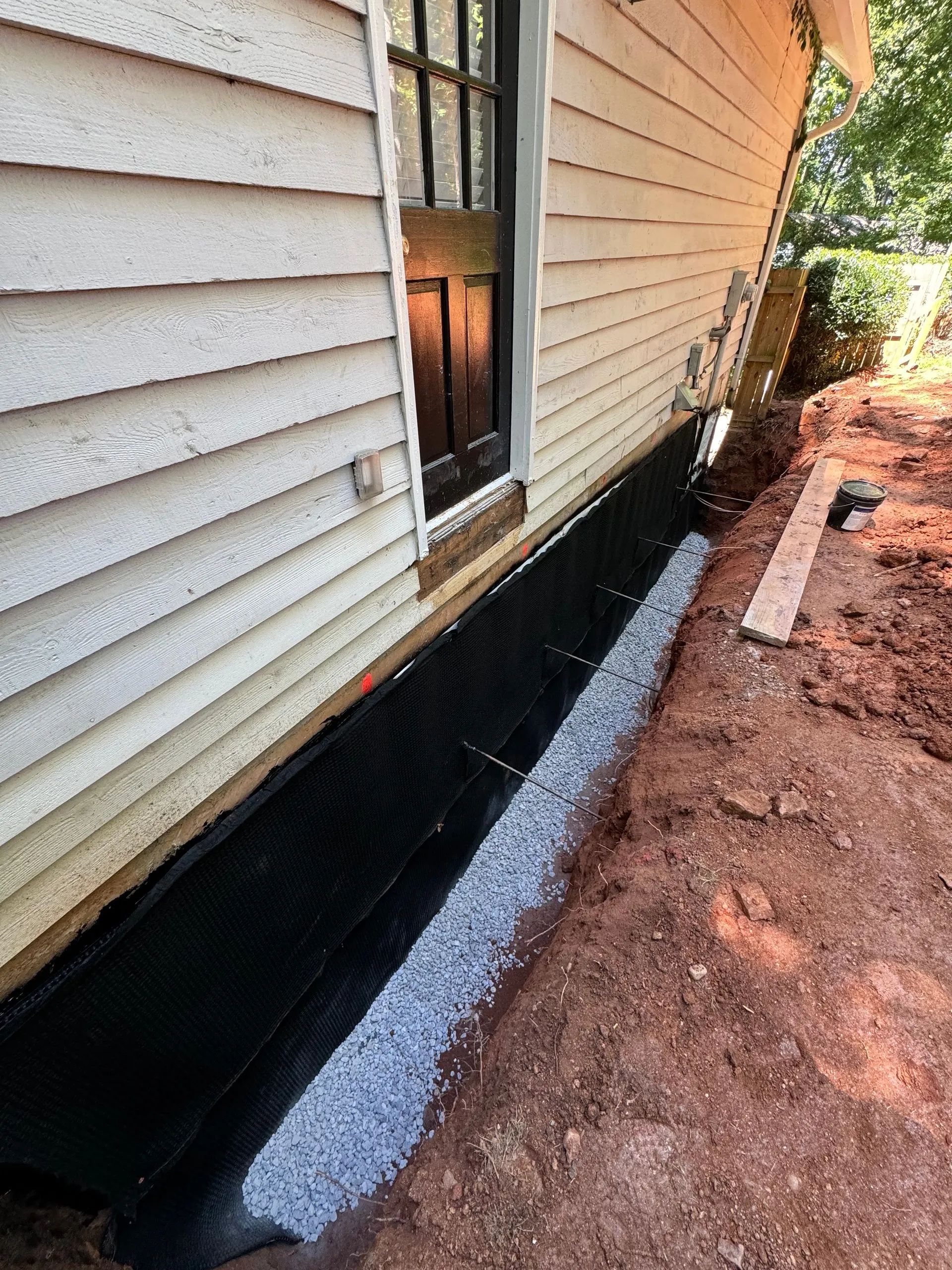
A French drain is a gravel filled trench with a perforated pipe at the bottom that gives underground water an easy path to follow. Water seeps into the gravel, enters the pipe, and runs by gravity to a lower exit. It relieves pressure along a wall or dries out a soggy stretch of yard. Built correctly with filter fabric it lasts for decades, but skip the fabric and silty soil clogs it fast.
A sump pump takes over when gravity cannot finish the job. A pit collects water, a float switch trips the pump, and water is pushed away through a discharge line. It is what you need on a low lot or a basement that sits below the point where water could drain on its own. Pair it with a check valve and a battery backup, since power tends to fail in the same storm that floods the pit.
Exterior drainage is everything you do above ground to stop water before it reaches the foundation: regrading, gutter extensions, longer downspout lines, and swales that route surface water around the house. Plenty of wet basements dry out from grading and downspout work alone.
Choosing the Right Drainage Solution for Your Property
Match the solution to where the water sits and how it behaves, not to whichever fix sounds most thorough.
If water pools in the yard or against the wall after rain, start with exterior drainage and correct the grade and downspouts first. If water seeps through the wall or floor joint with no pooling outside, you are dealing with groundwater and pressure, which is French drain territory, often an interior footing drain feeding a sump. If the space sits below the level where water can drain by gravity, you need a sump pump, because no buried pipe moves water uphill. A soggy yard far from the house usually wants a simple yard drain or a swale. Most real fixes combine two or three of these, so start with the simplest change and watch how the water responds before going further.
How Local Clay and Weather Change the Picture
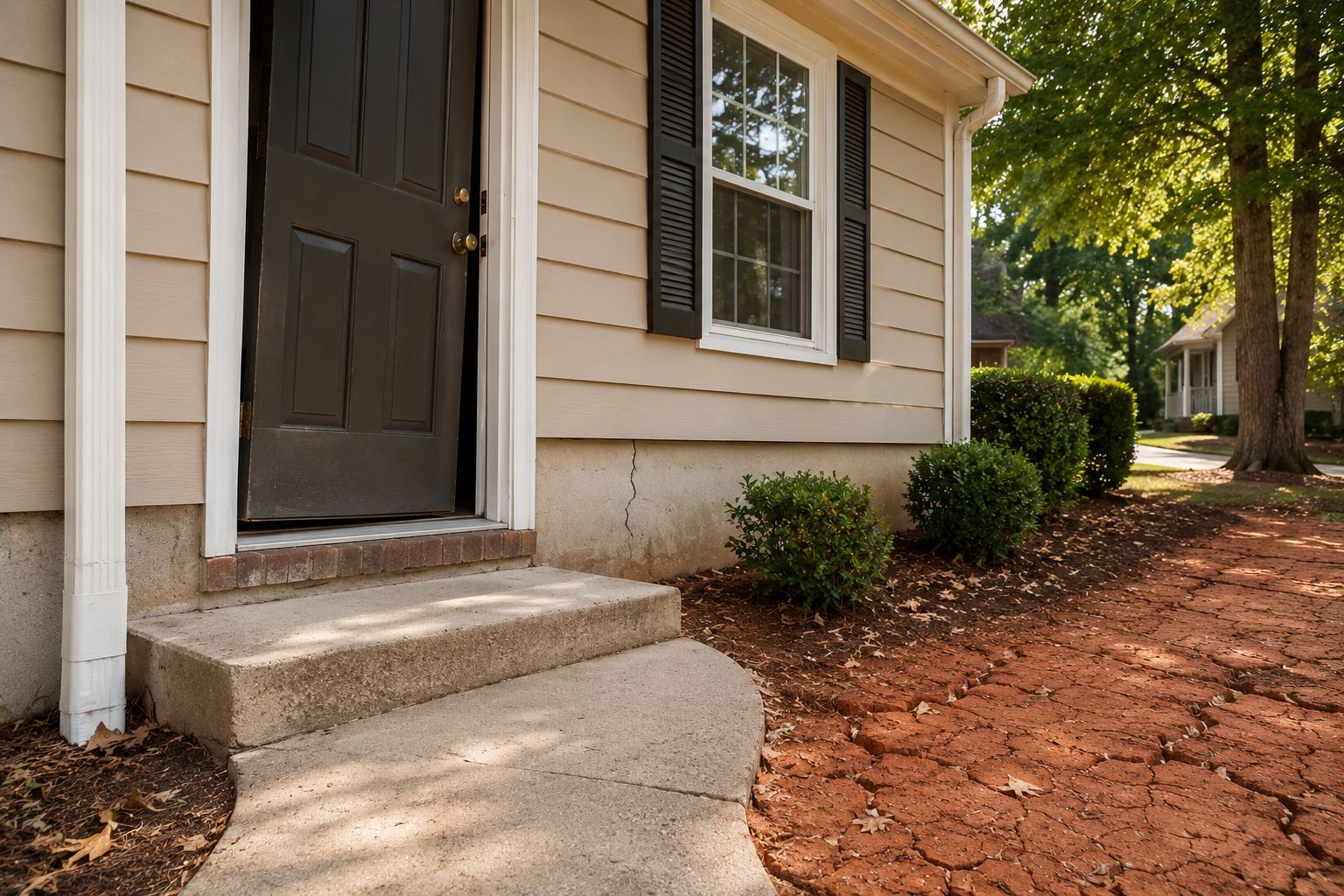
The heavy red clay across this part of Georgia is the biggest reason drainage problems here behave differently than farther north. Clay drains slowly and stays saturated for days after a storm, so the soil holds water against your walls long after the rain stops and keeps the pressure high.
That same clay shrinks in dry summers and swells when it rains, opening gaps along the foundation that water slips into. Add long wet springs and summer storms that drop several inches in an hour, and the ground cannot absorb it fast enough, so it runs across the surface to the lowest point. Where lots roll and slope, a house at the bottom catches runoff from everything above it, and homes near the water sit over a higher water table where a sump pump does more of the work.
Keeping Your Drainage System Working
A drainage system protects you only while every part still moves water. During the wet months, glance in the sump pit, confirm the pump cycles, and check that the discharge point is clear. Each quarter, clean the gutters after pollen and leaf drop and make sure downspouts still extend several feet from the wall. Once a year, test the sump backup battery, flush the visible drain outlets, and walk the yard during rain to recheck the grade.
Over the longer run, have buried French drains inspected for silt and root intrusion before a full clog sets in, since clay carries fine particles that settle into pipe over time. The mistakes we see most often are understandable: a downspout buried into a drain with no exit, one pump with no backup, and mulch or beds piled higher than the slab so water runs the wrong way.
Frequently Asked Questions
How long does a drainage installation take?
A yard drain or downspout extension often wraps up in a single day, sometimes less. A full footing drain paired with a sump pit usually runs two to three days, depending on soil, access around the house, and how much of the perimeter needs trenching. Wet weather can stretch any drainage job out even further.
Is it safe to enter a flooded basement?
Not until power to that area is off. Standing water near outlets, a furnace, a water heater, or a pump can carry current, and that risk is invisible until it shocks you. Shut the breaker first, then assess. If you cannot reach the panel safely or the water keeps rising, call a professional immediately instead.
Why do basements flood so often around here?
Heavy red clay drains slowly and stays saturated for days after a storm, holding water against foundation walls long after the rain stops. Paired with sloped lots and intense summer storms that drop several inches in an hour, that trapped pressure pushes moisture through any crack or joint it can find in the foundation below.
Do I need both a French drain and a sump pump?
Often yes. A French drain collects and routes underground water toward a lower exit, while a sump pump removes that water when the lot sits too low for gravity to carry it off on its own. On saturated clay properties like ours, the two usually work together as one drainage system that protects the foundation.
Can I install a French drain myself?
A shallow yard drain is doable with care, correct slope, clean gravel, and filter fabric facing the right way. A footing drain against the foundation is not a weekend project, since one wrong slope or a skipped fabric layer can clog the entire run quickly and undo every hour you spent digging it back out.
Experienced Hands for Your Foundation and Drainage Needs
The core principle holds: trace the water to its source, then match the fix to how that water actually moves, starting simple before you dig. In Hall County, heavy red clay and fast summer storms make that pressure build faster and linger longer than it does almost anywhere else, which is why the wrong drainage solution fails here so often. At Apex Waterproofing & Foundation Repair LLC, we have spent the last 10
years diagnosing and solving these problems for homeowners all across Hall County, GA. When your yard stays soggy or your basement keeps taking on water, reach out and we will walk the property, find the real source, and build the drainage solution your lot truly needs.
Recent Posts