Waterproofing Service in Flowery Branch, GA
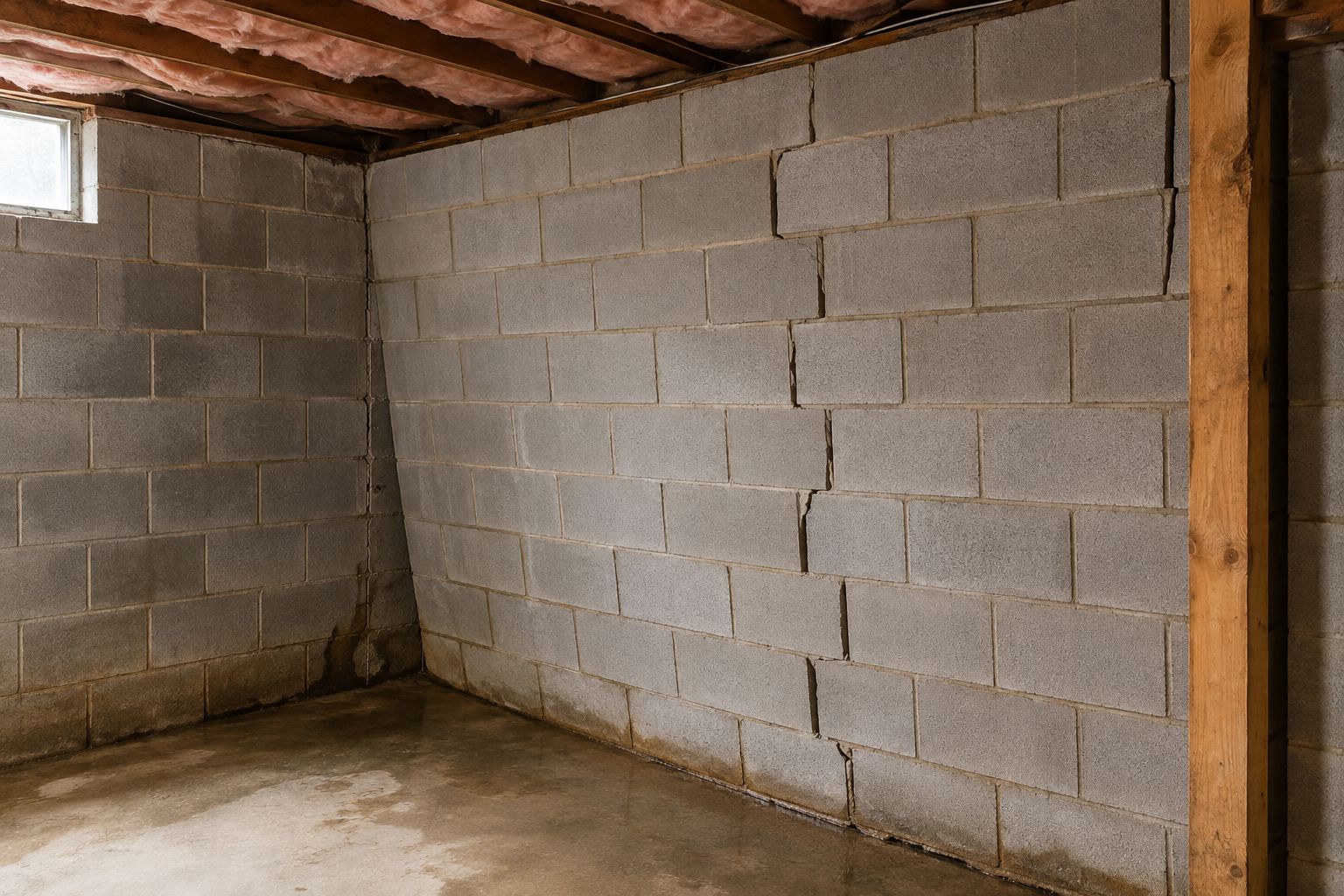
Water is patient, and a house is not built to argue with it forever. Given a low spot, a crack, or an unsealed crawlspace, groundwater and runoff work their way in slowly, and the first signs are easy to miss: a musty smell, a damp corner, a door that suddenly sticks. Left alone, that moisture rots framing, feeds mold, and lets a foundation shift until the damage is structural and expensive. Controlling water where it enters, before it reaches the wood and concrete that hold a home up, is the entire point of waterproofing.
Flowery Branch sits in south Hall County at the edge of Lake Lanier, in the rolling foothills that rise toward the Blue Ridge. The terrain here is hilly and the soil is dense red clay, a combination that sheds heavy Georgia rain downhill and holds it against whatever it meets, from crawlspace vents to basement walls. As newer subdivisions spread across former farmland and older homes age in place, moisture problems surface across the area, usually long before an owner links the damp crawlspace to the slope and clay outside the wall.
Homeowners around the lake turn to Apex Waterproofing & Foundation Repair LLC, a reliable waterproofing service in Flowery Branch, GA, run with owner-operator oversight on every job. We handle basement waterproofing, crawlspace repair and encapsulation, foundation repair, drainage solutions, and new-construction waterproofing, matching each system to the specific way water reaches a property. More than 10 years of hands-on work in north Georgia's clay have taught us to start at the source, and warranty-backed results mean the person who diagnoses the problem stands behind the fix.
About Flowery Branch, GA
Flowery Branch is a city in Hall County, Georgia, set along the southern shore of Lake Lanier in the northeastern part of the state. Once a small railroad town, it has grown quickly into a lakeside community of roughly 8,000 residents, with historic downtown blocks sitting alongside newer subdivisions spreading across the surrounding hills.
The area lies in the foothills that climb toward the Blue Ridge, a landscape of slopes, wooded lots, and the dense red clay common to the region. Lake Lanier shapes much of local life, drawing residents to the water while the surrounding terrain sends rain running downhill toward homes built into the ridges and hollows.
Growth has brought a mix of housing ages, from decades-old homes on established lots to recent construction on cleared hillsides. That range, combined with heavy regional rainfall and clay that holds moisture, keeps water management a constant concern for property owners across the community throughout the wetter months of the year.
How Hillside Runoff and Red Clay Push Water Into Flowery Branch Foundations
The ground around Flowery Branch works against keeping a home dry. North Georgia sees heavy rainfall, often well over 50 inches a year, and the hilly terrain turns much of it into runoff that flows toward the lowest point it can reach, frequently a foundation or crawlspace. Water that should drain away collects where the house meets the slope.
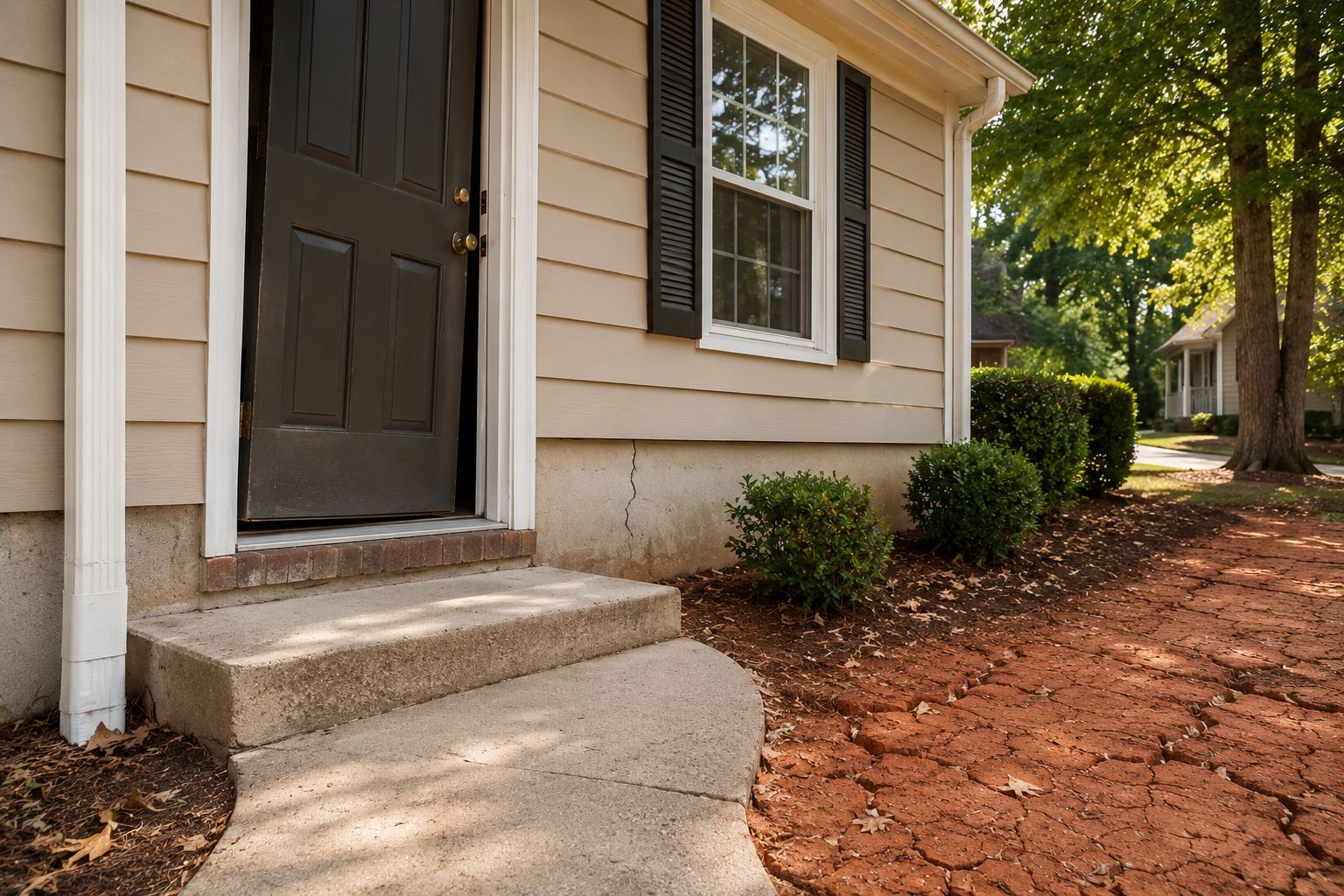
Red clay makes it worse. When saturated, dense clay swells and presses against foundation walls, forcing moisture through cracks and vents; when it dries, it shrinks and pulls away, opening gaps for the next rain. That constant swell-and-shrink cycle both drives water inside and slowly shifts the foundation it surrounds.
Under a house, the result is a crawlspace that stays damp long after the rain stops, feeding mold on joists and weakening wood never meant to stay wet. The lasting answer is to manage the water directly: grading and drainage to route runoff away, and encapsulation to seal out ground moisture, so waterproofing addresses the cause rather than the symptom.
Our Services in Flowery Branch, GA
What Source-First Waterproofing Actually Involves
Sound waterproofing begins with the source, not the symptom. Before recommending a system, reading how much rain a lot sheds, where the clay traps moisture, and how water actually reaches the foundation is what makes the fix last. A damp crawlspace treated without addressing the runoff and grading behind it simply returns after the next heavy storm rolls through.
From that diagnosis, the system is matched to the problem. French drains and grading divert runoff before it reaches the house; crawlspace encapsulation seals a heavy vapor barrier across ground and walls to block moisture and humid air; foundation repair stabilizes what has already shifted. Each is chosen for the specific property rather than applied as a one-size package.
Materials and follow-through decide durability. Proper drainage, a sealed and controlled crawlspace, and repairs made with owner-operator oversight are what keep a space dry for good, and warranty-backed work means the result is stood behind. Done at the source, waterproofing protects the structure above it for years instead of demanding the same repair each wet season.
Why Flowery Branch Residents Trust Apex Waterproofing & Foundation Repair LLC
Water problems are really terrain problems, and reading terrain is where Apex Waterproofing & Foundation Repair LLC has built its standing across Flowery Branch, GA. With more than a decade of experience in north Georgia's clay and slopes, the company traces how each lot sheds water before recommending a system, so the fix follows the path the water actually takes.
Owner-operator oversight anchors the work. The person accountable for the result is on site, not directing from a distance, matching the solution to the problem, whether drainage and grading, encapsulation, or foundation repair. That direct involvement separates a lasting fix from a temporary patch.
For homeowners, that means a dry, stable house and straight answers about what it genuinely needs. Backed by warranties and a preference for fixing a water problem once rather than returning to pump the same crawlspace, the company brings hands-on, careful work to the area, earning repeat calls and neighbor referrals across the community.
Hire Us! Waterproofing Service in Flowery Branch, GA
From there, the plan is built for your lot: grading and drains to move runoff, encapsulation to seal the crawlspace, or foundation repair to stabilize what has shifted, handled with owner oversight and backed by a warranty. You know what the property needs, and why, before any work begins on site.
There is no benefit to waiting for the next heavy rain to make the problem worse. Reach out today for an inspection, and find out what it takes to keep the space dry for good. Waterproofing done at the source protects the whole home, from the crawlspace under it to the walls it holds up.
From there, the plan is built for your lot: grading and drains to move runoff, encapsulation to seal the crawlspace, or foundation repair to stabilize what has shifted, handled with owner oversight and backed by a warranty. You know what the property needs, and why, before any work begins on site.
There is no benefit to waiting for the next heavy rain to make the problem worse. Reach out today for an inspection, and find out what it takes to keep the space dry for good. Waterproofing done at the source protects the whole home, from the crawlspace under it to the walls it holds up.
FAQS
1. What is the difference between waterproofing and simple sealing?
Sealing paints a barrier on a surface and often peels once water pressure builds behind it. Waterproofing manages the water itself, with drainage, grading, and vapor barriers that keep it from the wall, so the fix holds.
2. Does a newer home need waterproofing too?
It can. New construction on a cleared hillside sheds runoff toward the foundation just as older homes do, and clay presses the same way. Building drainage and moisture control in early prevents the damp crawlspace and shifting that appear otherwise.
3. What is a French drain and when is it the right fix?
A French drain is a gravel-packed trench with perforated pipe that collects water and routes it to a safe outlet. It suits properties where runoff or a high water table pushes moisture toward the house before it reaches the foundation.
4. Can you waterproof a crawlspace that already has mold?
Yes. The mold is removed first, then the source of moisture is sealed and drained so it cannot return. Encapsulation and drainage keep the ground and humid air out, which stops mold from regrowing on the joists after cleanup.
5. How do I tell if my foundation is settling or just cracked?
Hairline surface cracks are common, but stair-step cracks, doors that stick, and uneven floors point to movement. An inspection distinguishes normal aging from active settling, since settling driven by soil and water needs stabilization, not a patched crack.
6. Will drainage work disturb my whole yard?
Not usually. Most drainage and grading work targets the problem area and the path water takes toward the house, not the entire lot. The scope is matched to where runoff actually collects, so disruption stays limited to what the fix genuinely requires.
7. Is crawlspace encapsulation worth it in a humid climate?
Especially there. Open vents pull humid outside air into a cooler crawlspace, where it condenses on wood and stays. Sealing the space and controlling the remaining moisture keeps the air and structure drier than venting ever could in a wet, warm setting.
8. How soon should I act on a damp crawlspace?
Promptly. Moisture that sits keeps feeding mold and weakening wood, and a small drainage fix is far simpler than replacing rotted joists later. Catching it early, while the problem is still about water and not yet structure, keeps the repair contained.