Water intrusion remains one of the most costly and disruptive issues in residential and commercial construction. From foundation cracks and basement leaks to mold growth and structural deterioration, the long-term consequences of moisture damage can compromise both safety and property value. Pre-construction waterproofing offers a proactive solution, allowing builders and homeowners to address vulnerabilities before concrete is poured and walls are closed. By integrating waterproofing strategies during the planning and early construction phases, stakeholders can significantly reduce the risk of expensive repairs and structural failures later. Addressing moisture risks early also minimizes project delays, insurance complications, and unexpected remediation expenses. In competitive real estate markets, properties built with comprehensive waterproofing systems often demonstrate stronger buyer confidence and long-term durability.
In today’s construction landscape, building codes are evolving, climate patterns are shifting, and client expectations for durability and indoor air quality are higher than ever. Preventing water damage is no longer optional—it is a fundamental component of responsible building practices. Effective pre-construction waterproofing combines site evaluation, proper drainage design, material selection, and professional installation techniques. When executed correctly, it strengthens foundations, extends structural lifespan, and protects investments. It also supports sustainable construction by reducing material waste caused by future repairs and replacements. Builders who prioritize moisture management from the outset position their projects for long-term performance, regulatory compliance, and enhanced structural resilience.
Understanding Pre-Construction Waterproofing
What Is Pre-Construction Waterproofing?
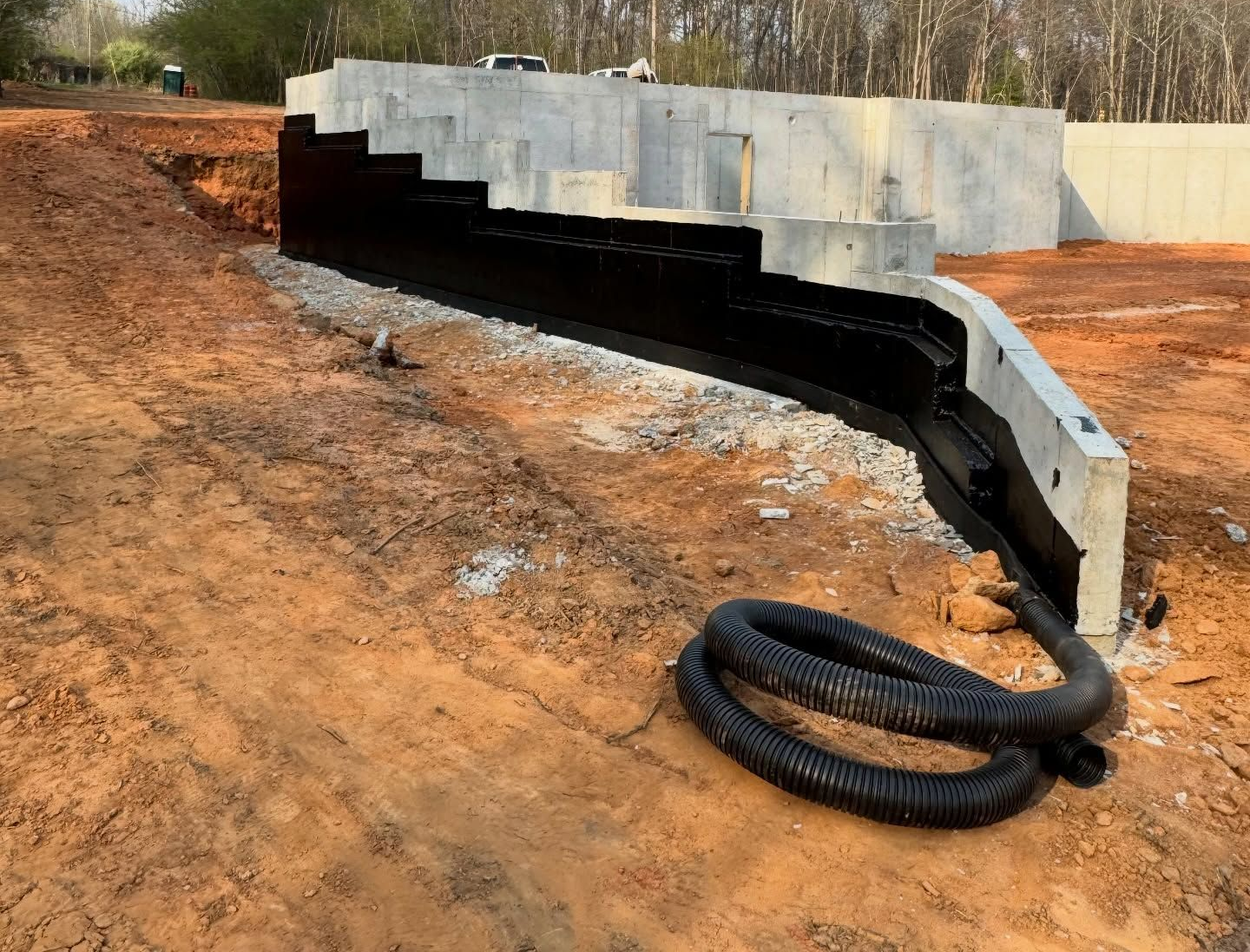
Pre-construction waterproofing refers to moisture protection systems installed before or during the initial stages of construction. Unlike reactive waterproofing, which addresses leaks after they appear, this proactive approach focuses on prevention. It typically involves foundation membranes, drainage systems, vapor barriers, sealants, and grading strategies designed to keep water away from structural components.
This stage is critical because it is far easier—and more cost-effective—to install waterproofing systems before backfilling or completing structural assemblies. Once a building is finished, correcting water intrusion may require excavation, interior demolition, or extensive structural repairs.
Why Early Waterproofing Matters
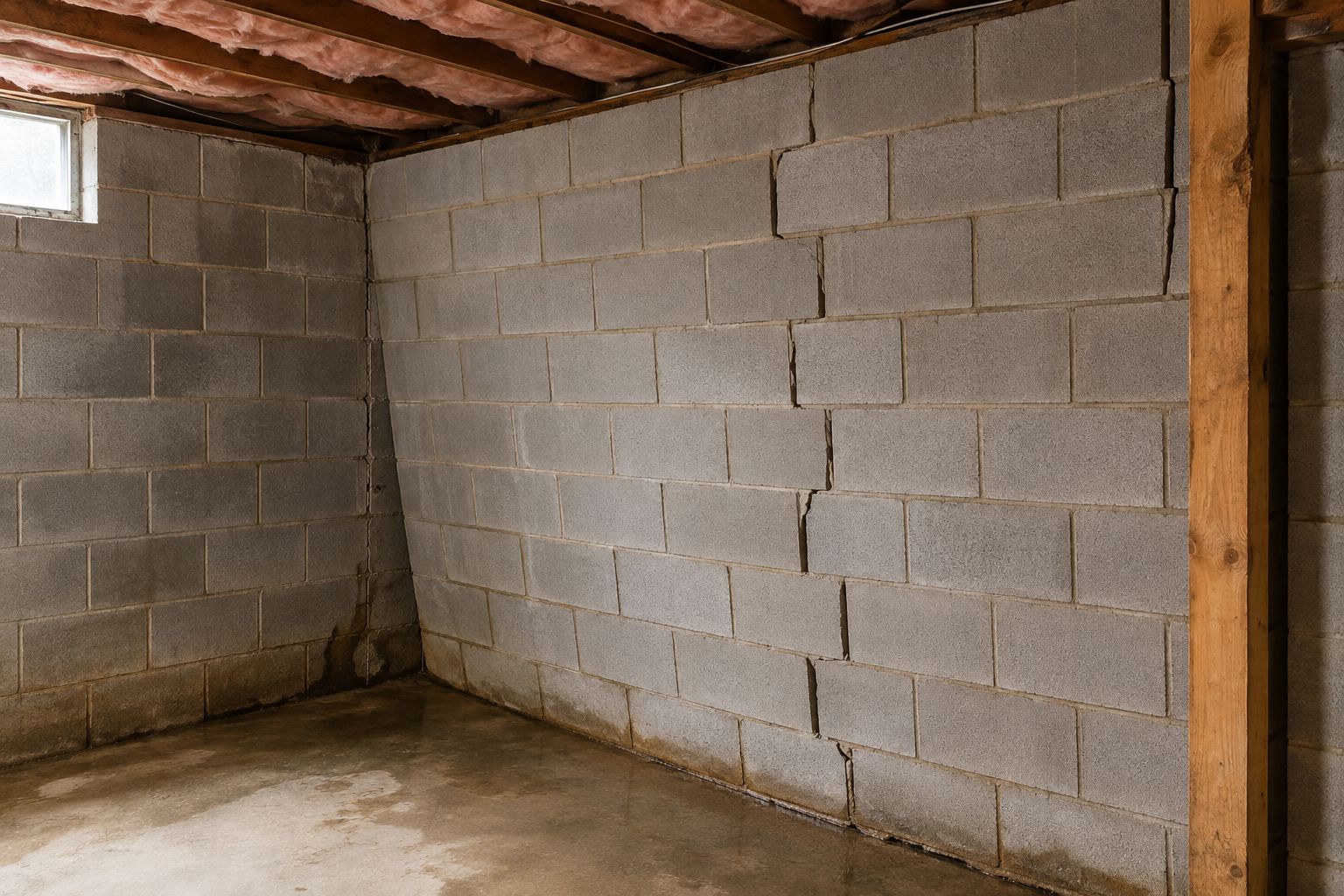
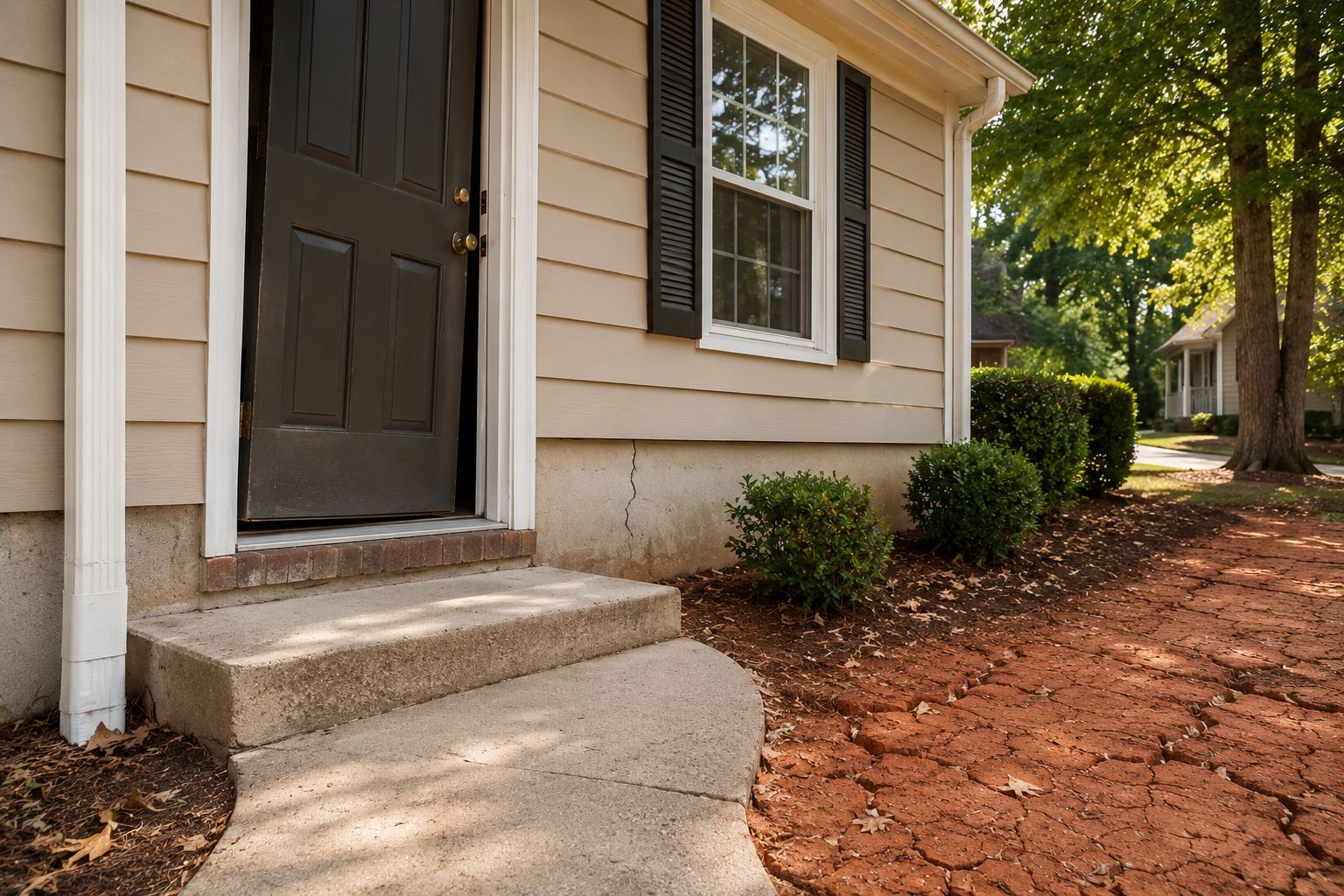
Water damage often begins below grade. Foundations sit in direct contact with soil, which retains moisture and exerts hydrostatic pressure. Without proper waterproofing, even minor cracks can allow water infiltration over time. In freeze-thaw climates, this moisture can expand, widening cracks and weakening concrete.
By integrating waterproofing into pre-construction planning, builders can:
- Protect structural integrity.
- Prevent mold and mildew growth.
- Maintain indoor air quality.
- Increase long-term property value.
- Reduce future repair and insurance costs.
Early planning also ensures waterproofing systems are compatible with foundation types, soil conditions, and drainage layouts.
Site Assessment and Drainage Planning
Evaluating Soil and Site Conditions
Every effective waterproofing strategy begins with understanding the site. Soil composition, groundwater levels, and grading directly influence water movement around a foundation.
Clay-heavy soils, for example, retain water and expand when wet, increasing hydrostatic pressure against foundation walls. Sandy soils drain better but may allow groundwater to move quickly toward structural elements. A professional soil analysis helps determine the appropriate waterproofing system and drainage requirements.
Builders should evaluate:
- Water table levels.
- Natural slope and grading.
- Historical flooding patterns.
- Soil type and compaction capacity.
Homeowners involved in custom builds should request documentation of these assessments to ensure long-term protection.
Designing Proper Drainage Systems
Surface and subsurface drainage systems are critical components of pre-construction waterproofing. Even the best membrane system can fail if water is allowed to pool against the foundation.
Key drainage solutions include:
Footing Drains: Installed at the base of foundation walls, these perforated pipes collect groundwater and redirect it away from the structure.
Grading and Sloping: The ground should slope away from the building at least 5 percent for the first 10 feet to prevent water accumulation near walls.
Sump Pump Systems: In areas with high groundwater levels, sump pumps provide active water removal from basement or crawl space areas.
Without proper drainage planning, hydrostatic pressure builds against foundation walls, increasing the risk of cracks and leaks. Integrating drainage design during pre-construction eliminates these risks before they develop.
Selecting the Right Waterproofing Materials
Foundation Waterproofing Membranes
Choosing the appropriate membrane system is essential for effective moisture control. Common options include:
Liquid-Applied Membranes: These form a seamless coating over foundation walls, reducing the risk of weak points. They are flexible and adapt to minor structural movement.
Sheet Membranes: Pre-formed sheets adhere to foundation surfaces and provide consistent thickness. Proper installation is critical to avoid seam failure.
Bentonite Panels: These clay-based systems expand upon contact with water, sealing gaps and preventing infiltration.
The right selection depends on environmental conditions, foundation type, and budget. Builders should prioritize durability and compatibility over short-term cost savings.
Vapor Barriers and Under-Slab Protection
Moisture does not only penetrate through walls; it can rise from below slabs through capillary action. Installing vapor barriers beneath concrete slabs prevents ground moisture from entering interior spaces.
High-quality polyethylene vapor barriers reduce the risk of:
- Mold growth under flooring.
- Warped hardwood or laminate.
- Deterioration of adhesives and finishes.
Inadequate under-slab protection is a common oversight that leads to long-term moisture problems. Proper sealing around penetrations, such as plumbing pipes, ensures complete coverage.
Foundation Detailing and Structural Considerations
Sealing Joints and Penetrations
Construction joints, expansion joints, and utility penetrations are frequent entry points for water. During pre-construction, these areas should be reinforced with waterstops, sealants, and flashing systems.
Waterstops embedded within concrete joints expand upon contact with moisture, creating a barrier against infiltration. Flexible sealants accommodate movement caused by temperature changes and settling.
Attention to detail at these vulnerable points significantly reduces future leak risks.
Crack Prevention and Reinforcement
While some concrete cracking is inevitable, strategic reinforcement minimizes structural weaknesses. Proper curing practices, control joints, and reinforcement placement help limit crack width and distribution.
Additionally, applying elastomeric coatings to exterior foundation walls provides flexibility that accommodates minor structural shifts without compromising waterproofing performance.
Builders should implement quality control inspections during each stage of foundation construction to ensure materials are installed according to manufacturer specifications.
Long-Term Benefits and Cost Savings
Financial Advantages
Investing in pre-construction waterproofing yields measurable financial benefits. Repairing foundation leaks after construction can cost thousands of dollars, especially if excavation is required. Preventative waterproofing represents a small percentage of total construction costs but prevents exponentially higher future expenses.
Homeowners also benefit from:
- Lower insurance claims.
- Higher resale value.
- Reduced maintenance costs.
- Improved energy efficiency due to better insulation performance.
Health and Structural Protection
Moisture intrusion promotes mold growth, which can negatively impact indoor air quality and occupant health. Chronic dampness also attracts pests and accelerates wood rot.
From a structural perspective, prolonged exposure to water weakens concrete and corrodes steel reinforcement. By addressing waterproofing before construction is complete, builders protect the longevity and safety of the entire structure.
Best Practices for Builders and Homeowners
Collaborating Early in the Design Phase
Successful pre-construction waterproofing requires collaboration among architects, engineers, contractors, and homeowners. Waterproofing should not be treated as an afterthought but integrated into the design specifications from the earliest conceptual planning stages.
Review construction documents carefully to ensure waterproofing systems are clearly detailed, including product types, installation methods, and inspection requirements, along with defined performance standards and compliance benchmarks.
Quality Installation and Inspection
Even the highest-quality materials fail if installed incorrectly or without strict adherence to manufacturer guidelines. Professional installation by trained technicians with specialized waterproofing experience is essential. Builders should schedule inspections before backfilling to confirm:
Membrane continuity across all foundation surfaces.
Proper drainage placement with adequate slope.
Secure sealing at penetrations and joints.
Correct grading to divert surface water.
Homeowners should request documentation and warranty information for installed waterproofing systems, including maintenance guidelines and coverage limitations.
Addressing Climate and Environmental Changes
Changing weather patterns, heavier rainfall, and urban development increase runoff and water pressure around structures over extended periods of time. Builders must design systems that account for worst-case scenarios rather than average seasonal conditions.
Selecting durable materials and incorporating redundancy—such as combining membranes with drainage boards—provides added protection and long-term structural reliability.
By following these best practices, builders and homeowners create resilient structures designed to withstand environmental stressors and shifting climate conditions for decades.
Building Stronger Foundations With Trusted Professionals
Pre-construction waterproofing is a strategic investment that protects structures from costly and preventable water damage. By addressing soil conditions, designing proper drainage systems, selecting high-quality materials, and reinforcing vulnerable areas during construction, builders and homeowners establish a strong defense against moisture intrusion. The proactive approach not only safeguards structural integrity but also enhances indoor air quality, property value, and long-term durability.
Waterproofing should be integrated into every phase of project planning, from site evaluation to final inspection. When treated as a foundational component rather than an optional upgrade, it delivers measurable financial and structural benefits. Preventing water damage before it begins ensures buildings remain safe, dry, and resilient for years to come.
Apex Waterproofing & Foundation Repair LLC
is a
trusted waterproofing service
provider serving Hall County, GA. With 10
years of experience, Apex Waterproofing & Foundation Repair LLC
specializes in foundation waterproofing, drainage solutions, and structural moisture protection. The company understands that effective waterproofing begins before construction is complete, not after damage occurs. By applying proven techniques, durable materials, and expert installation practices, Apex Waterproofing & Foundation Repair LLC
helps homeowners and builders create strong, water-resistant foundations built to last. Their commitment to quality workmanship and long-term performance makes them a reliable partner for projects requiring dependable moisture control solutions.
Recent Posts