Water intrusion is one of the most underestimated threats in modern construction. While new buildings often appear structurally sound and resilient, unseen vulnerabilities can develop from the moment the foundation is poured. Moisture infiltration, soil pressure, and poor drainage design can quietly compromise concrete, framing, and interior finishes long before visible damage appears. Addressing waterproofing during new construction is not merely a precautionary step; it is a strategic investment that protects the integrity, safety, and value of a structure from day one. Early moisture control establishes a stable building envelope, reduces environmental stress on materials, and prevents minor weaknesses from becoming structural failures over time. When waterproofing is integrated early, it strengthens overall construction quality and long-term performance.
In today’s construction industry, cost efficiency is often prioritized, yet cutting corners on waterproofing can lead to exponentially higher expenses in the future. Repairs caused by water damage frequently involve excavation, structural reinforcement, mold remediation, and interior reconstruction. These issues disrupt occupancy, delay operations, and create long-term financial strain for property owners and developers. Proactive waterproofing, installed at the construction stage, minimizes these risks while enhancing durability and compliance with building standards. It also supports safer indoor environments and reduces liability concerns. Understanding why early waterproofing matters helps builders, property owners, and developers make informed decisions that prevent avoidable damage, protect investments, and ensure long-term structural performance and reliability.
Understanding the True Cost of Water Damage
Hidden Financial Impacts of Moisture Intrusion
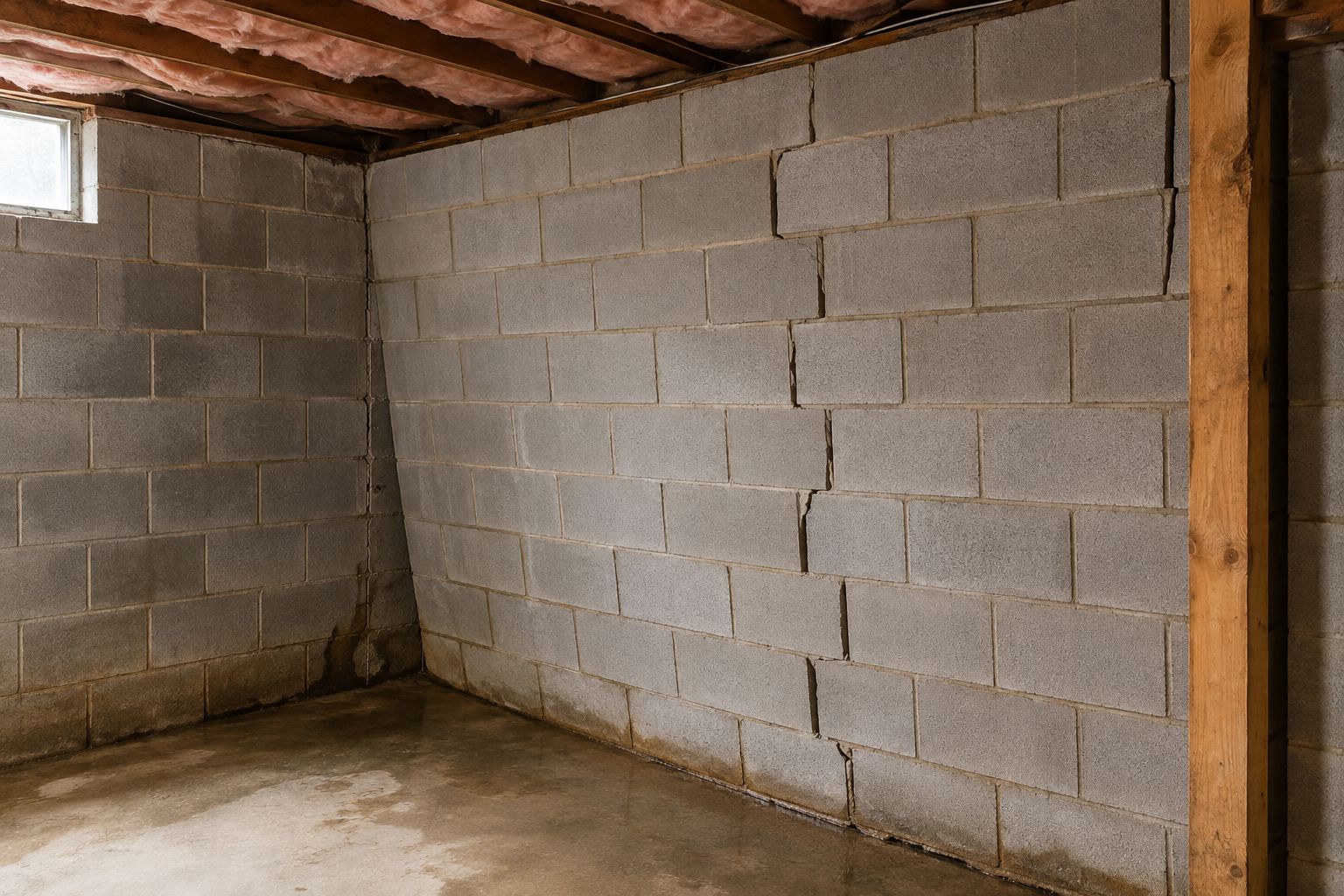
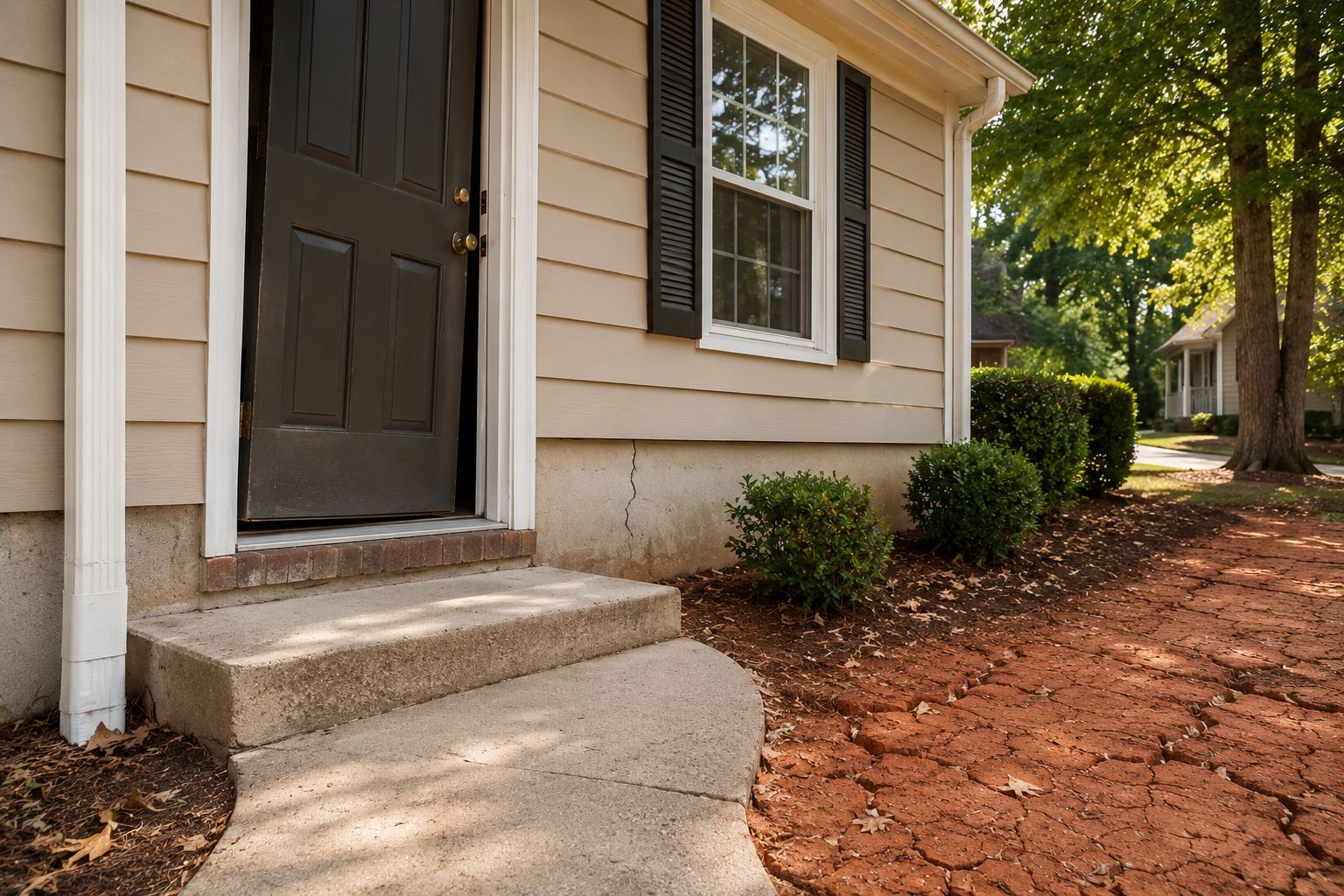
Water damage rarely presents as a single, isolated problem. When moisture penetrates a structure, it often triggers a chain reaction of deterioration. Concrete foundations can crack, steel reinforcements may corrode, and wooden components can rot or warp. These conditions weaken load bearing elements and shorten overall service life. Repairing structural damage typically requires specialized labor, heavy equipment, extended project timelines, and operational downtime, all of which dramatically increase long term ownership costs significantly today.
Long-Term Property Devaluation
Beyond direct repair expenses, water damage steadily erodes property value over time. Buildings with documented leaks or moisture intrusion frequently fail inspections, trigger mandatory disclosures, or raise lender concerns during resale. Buyers often demand price reductions, escrow holdbacks, or complete remediation before closing. Waterproofing during new construction helps avoid these outcomes by creating a dry, stable building envelope that preserves structural integrity, buyer confidence, and long term market appeal for owners everywhere consistently today.
Why New Construction Is the Ideal Time for Waterproofing
Accessibility and Design Integration
New construction offers unmatched access to foundations, walls, and drainage assemblies before finishes conceal critical areas. This open stage allows waterproofing materials to be applied uniformly, correctly, and without obstruction. Engineers and designers can integrate waterproofing into grading plans, drainage slopes, and structural details. Coordinating these elements early ensures continuous protection, eliminates weak points, and maximizes system effectiveness throughout the entire building lifecycle while reducing future repair risks substantially for owners long term success.
Cost Efficiency Compared to Retrofitting
Retrofitting waterproofing systems after construction often involves excavation, demolition, and interior restoration. These invasive processes disrupt occupants, delay operations, and dramatically increase labor costs. In contrast, installing membranes, sealants, and drainage components during construction requires minimal additional time or expense. This proactive approach reduces material waste, avoids repeated repairs, and delivers substantial financial savings when compared to correcting water damage years later that could compromise budgets and schedules for builders and owners everywhere today.
Common Waterproofing Methods Used in New Builds
Foundation and Below-Grade Protection
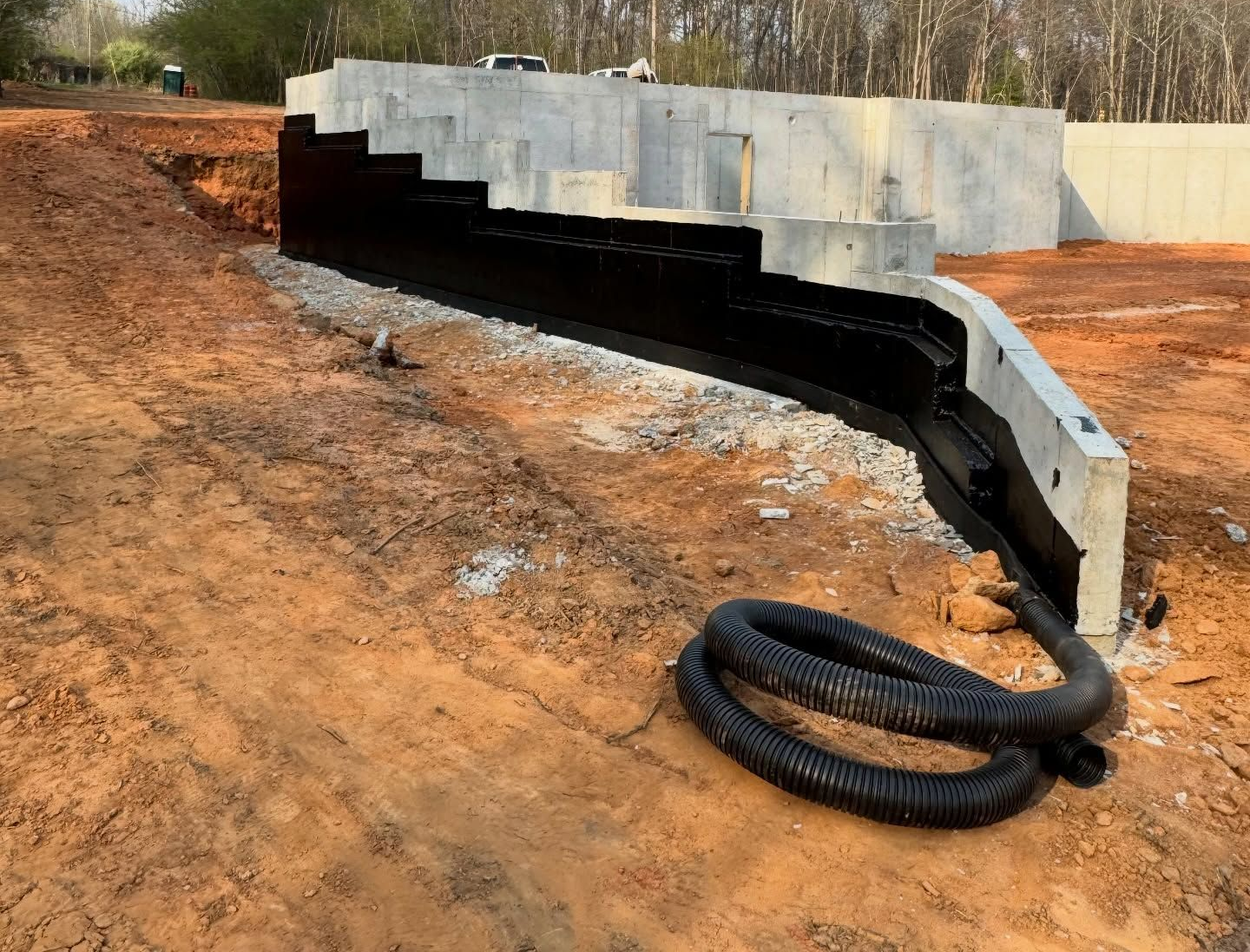
Foundations face constant exposure to groundwater pressure and surrounding soil moisture. Without proper protection, water can infiltrate through pores, joints, and microcracks in concrete. Modern solutions include liquid applied membranes, sheet membranes, and cementitious coatings that create continuous barriers. When correctly installed, these systems resist hydrostatic pressure, prevent seepage, and protect below grade structural components for decades under varying soil and climate conditions without compromising long term durability performance or safety standards overall today.
Drainage Systems and Water Diversion
Effective waterproofing extends beyond surface coatings by actively managing water movement around the structure. Drainage systems such as perimeter drains, gravel backfill, and sump assemblies redirect water away from foundations. By relieving hydrostatic pressure before moisture contacts structural walls, these components reduce stress on waterproofing materials. Properly designed drainage improves system longevity, performance reliability, and overall moisture control in demanding environmental conditions over time while minimizing future maintenance requirements for property owners longterm security.
Preventing Structural and Health-Related Risks
Structural Stability and Load Integrity
Moisture intrusion gradually compromises the strength and reliability of building materials. Repeated wet dry cycles cause expansion, contraction, and progressive cracking within foundations and walls. Over time, these changes weaken joints and disrupt load distribution. Waterproofing during construction stabilizes structural components by limiting moisture exposure, preserving material performance, and reducing the risk of uneven settling or long term structural movement that could compromise safety and design intent over a building lifespan for occupants everywhere today.
Mold Growth and Indoor Air Quality
Persistent moisture creates ideal conditions for mold and mildew growth within enclosed spaces. Once established, mold can spread through wall cavities, insulation, and ventilation systems, affecting indoor air quality. Exposure may trigger respiratory issues and allergic reactions among occupants. Waterproofing during construction removes the moisture sources mold requires, supporting healthier indoor environments and reducing the need for costly remediation later while protecting occupants long term wellbeing and building operational efficiency across all property types.
Best Practices for Effective Construction-Phase Waterproofing
Material Selection and Compatibility
Selecting appropriate waterproofing materials is essential for long term system performance. Soil composition, climate conditions, and structural design all influence material suitability. High quality membranes and sealants must bond effectively with concrete and masonry substrates. Using tested, industry approved products ensures durability, minimizes failure risk, and supports consistent protection against moisture intrusion throughout the building’s service life under varying environmental and load conditions without premature degradation or performance loss over many years of use safely.
Professional Installation and Quality Control
Even advanced waterproofing materials can fail when installation is inconsistent or rushed. Proper surface preparation, correct application thickness, and adherence to manufacturer specifications are critical. Quality control measures such as inspections and testing help identify deficiencies early. Addressing issues during construction prevents concealed failures, ensuring the waterproofing system performs reliably and protects the structure for decades without costly future interventions or disruptions that affect occupants budgets and schedules long term stability assured overall performance.
Long-Term Savings and Peace of Mind
Reduced Maintenance and Repair Costs
Buildings constructed with comprehensive waterproofing systems experience fewer repair issues throughout their lifespan. Owners benefit from reduced maintenance expenses, fewer emergency service calls, and minimal disruption to occupants. Predictable performance lowers the likelihood of unexpected structural or interior damage. This reliability supports long term budgeting, improves asset management, and allows resources to be allocated toward upgrades or operational growth rather than recurring moisture related repairs that strain finances over time for owners and managers alike.
Enhanced Building Longevity
Waterproofing safeguards the core structural components of a building, significantly extending its functional lifespan. By preventing moisture related deterioration, foundations, walls, and finishes retain strength and appearance longer. Consistent protection helps buildings perform as designed under environmental stress. This durability leads to improved return on investment, sustained usability, and long term occupant satisfaction while reducing the frequency of major renovations or replacements that can disrupt operations and increase ownership costs substantially over decades.
Experienced Professionals Committed to Lasting Protection
Waterproofing during new construction is a proactive measure that safeguards structures against some of the most costly and disruptive issues in building ownership. By addressing moisture control early, builders and property owners avoid the hidden expenses associated with structural damage, mold growth, and repeated repairs. Early integration of waterproofing systems ensures better performance, improved durability, and long-term cost savings. When incorporated into the construction process, these solutions protect both the physical structure and the financial investment behind it. Making waterproofing a priority from the start is a practical decision that delivers lasting value, stability, and peace of mind for years to come.
Apex Waterproofing & Foundation Repair LLC
stands as a trusted authority in
professional waterproofing solutions, bringing a decade of hands-on experience to every project it serves. As a dedicated waterproofing service provider in Hall County, GA, the company understands the unique challenges that regional soil conditions, weather patterns, and construction practices present. With 10
years of industry experience, Apex Waterproofing & Foundation Repair LLC
has built a reputation for precision, reliability, and long-term results. Their expertise aligns directly with the principles outlined in this discussion: preventing water damage before it begins and protecting structures from costly future repairs. By focusing on proven methods, high-quality materials, and expert application, the company helps property owners and builders make informed decisions that preserve structural integrity. Apex Waterproofing & Foundation Repair LLC’s commitment to excellence and preventative solutions makes it a dependable partner for those who recognize that effective waterproofing during construction is not an optional upgrade, but a critical investment in the future of any building.
Recent Posts