Poor yard drainage is one of the most overlooked contributors to structural damage in residential and commercial properties. Homeowners often focus on visible interior issues such as wall cracks or damp basements without realizing that the real problem begins outside, at ground level. When water fails to drain away from a property, it collects around the foundation, creating prolonged moisture exposure that can weaken structural components over time. This issue is especially common in regions with heavy rainfall, compacted soil, or improperly graded landscapes. Seasonal weather changes and aging drainage systems further intensify the problem, making early identification critical. Without proper water management, even well-built structures can experience gradual but serious deterioration.
Standing water around a building does more than create soggy lawns or muddy walkways. It increases hydrostatic pressure against foundation walls, encourages soil expansion, and allows moisture to infiltrate basements and crawl spaces. Over time, this constant stress can lead to cracks, leaks, mold growth, and even foundation settlement. These issues often develop slowly, making them easy to ignore until significant damage has occurred. Understanding how poor drainage impacts a structure is essential for preventing costly repairs and maintaining long-term property value. By addressing yard drainage problems early, property owners can protect both the exterior and interior integrity of their buildings while avoiding extensive foundation and waterproofing issues down the line.
Understanding Yard Drainage and Water Movement
How Water Should Flow Around a Property
Proper yard drainage ensures rainwater and groundwater move away from a building rather than collecting near it. The surrounding soil should slope outward from the foundation to guide water toward safe discharge points such as swales, storm drains, or dry wells. This grading prevents prolonged moisture contact with foundation walls. Gutters and downspouts also play an essential role by capturing roof runoff and directing it several feet away from the structure. When these systems work together, they reduce erosion, minimize soil saturation, and protect the foundation from unnecessary hydrostatic pressure during heavy storms and seasonal weather changes throughout the year.
Common Causes of Poor Drainage
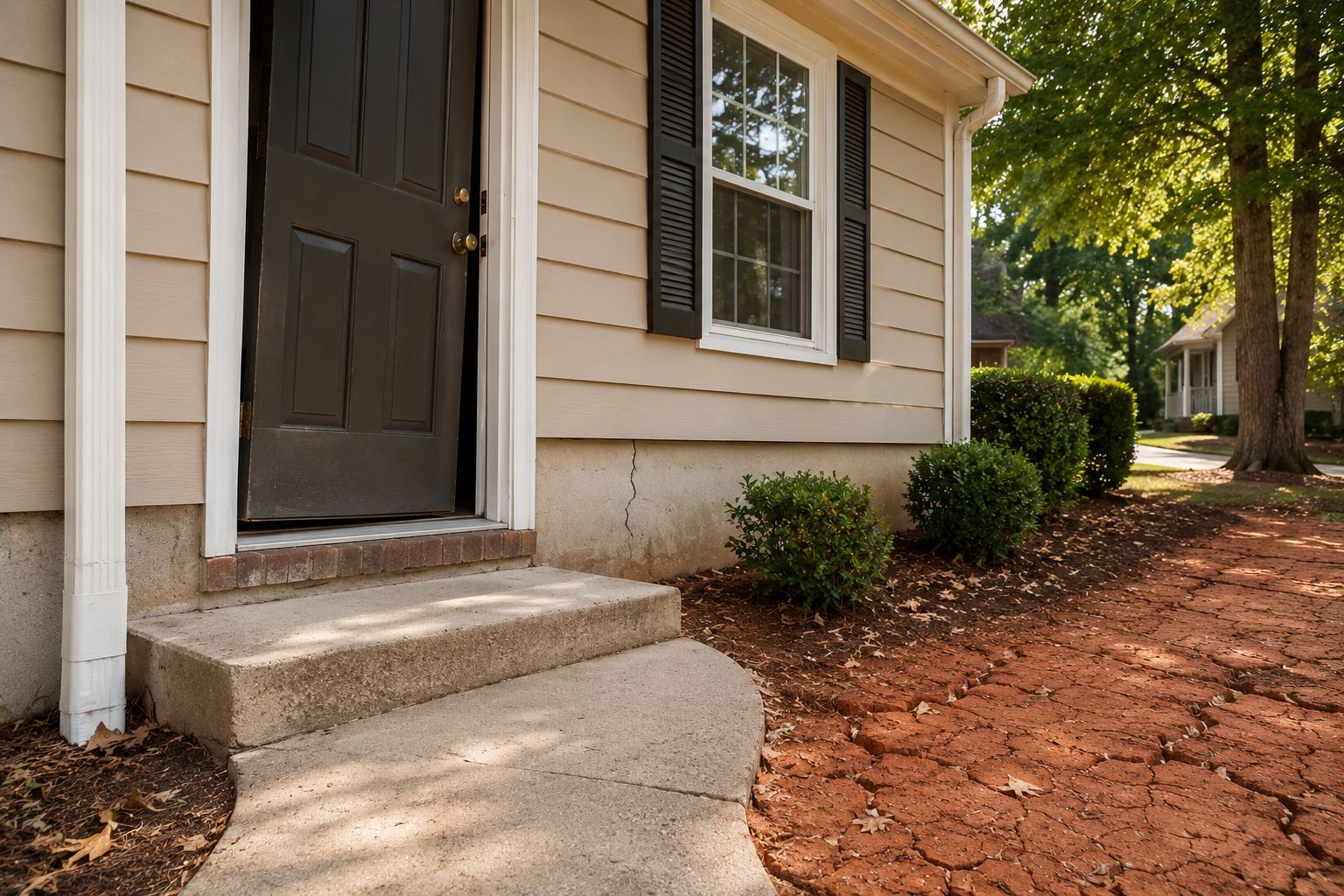
Poor yard drainage commonly results from flat or negatively graded landscapes that fail to move water away efficiently. Compacted clay soil further worsens the problem by absorbing water slowly and holding moisture for extended periods. Blocked drainage paths, clogged downspouts, or collapsed underground drains also contribute to standing water. Improper landscaping choices, such as placing mulch or planting beds too close to the foundation, can trap moisture. Over time, soil erosion, construction modifications, and natural settling alter water flow patterns, turning previously functional drainage layouts into ongoing structural risks that often go unnoticed until visible damage appears inside the home.
How Standing Water Affects Foundation Stability
Hydrostatic Pressure and Structural Stress
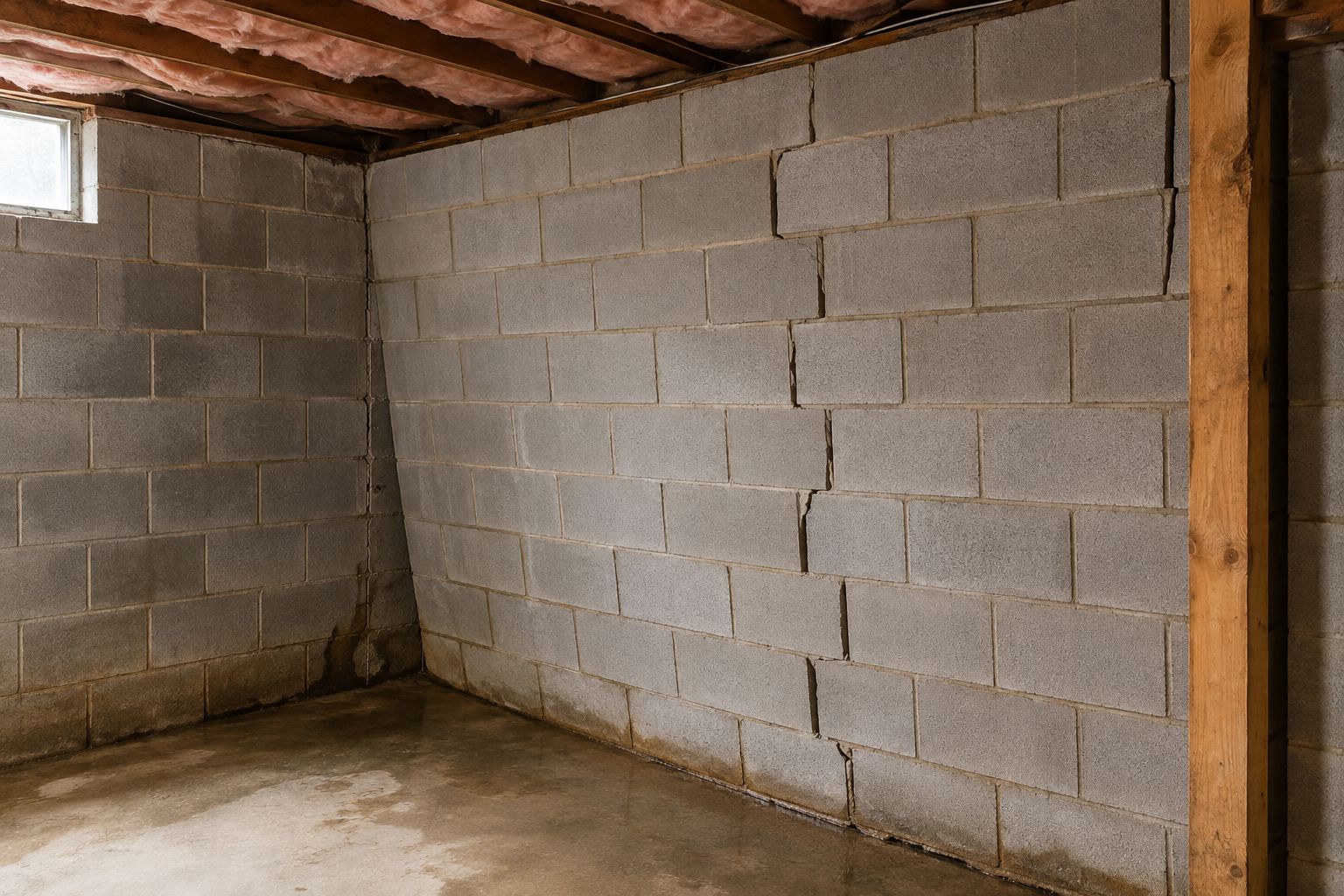
When water accumulates around a foundation, it creates hydrostatic pressure against basement and foundation walls. This pressure increases as soil becomes saturated, pushing inward on concrete and masonry surfaces. Over time, constant force weakens structural materials and exploits small imperfections. Hairline cracks can widen, mortar joints can deteriorate, and waterproofing barriers may fail. Repeated wetting and drying cycles further stress the structure. Without proper drainage relief, hydrostatic pressure remains constant, significantly increasing the likelihood of water intrusion, wall movement, and long-term foundation damage especially during prolonged rainfall events and seasonal groundwater level changes that affect vulnerable structures over many years.
Soil Expansion and Foundation Movement
Certain soil types, especially clay-rich soils, expand significantly when they absorb excess moisture. This expansion exerts upward and lateral pressure on foundation components, causing uneven movement or lifting. When saturated soil later dries, it contracts and leaves empty spaces beneath the structure. These voids reduce support and allow the foundation to settle unevenly. The repeated cycle of expansion and contraction stresses the foundation over time. Poor drainage accelerates this process, increasing the risk of cracks, misaligned walls, and long-term structural instability that often require costly professional repairs if left unaddressed for extended periods beneath occupied buildings and residential homes nationwide.
Basement Water Intrusion and Moisture Problems
How Water Enters the Basement
Standing water near a foundation greatly increases the chances of basement water intrusion. Water naturally follows the path of least resistance, seeping through wall cracks, porous concrete, and weakened mortar joints. Construction seams and poorly sealed utility penetrations also provide entry points. As pressure builds outside, moisture is forced inward through these vulnerabilities. Once water enters the basement, it can spread across floors and walls, damaging finishes and stored belongings. Even minor leaks can become persistent problems when drainage issues remain unresolved especially during heavy storms and periods of sustained groundwater saturation that overwhelm aging foundation protection systems over time.
Mold, Odors, and Indoor Air Quality
Persistent basement moisture creates ideal conditions for mold and mildew growth. Damp surfaces, limited airflow, and organic materials allow spores to spread rapidly. Mold damages drywall, insulation, and wood framing while releasing airborne particles into the home. These particles can trigger allergies, respiratory irritation, and other health concerns. Musty odors often signal hidden moisture problems behind walls or under flooring. Poor drainage outside the home continuously feeds this moisture cycle, making indoor air quality issues harder to control without addressing exterior water management strategies that protect structural materials and occupant health long term in affected residential properties across various climates.
Long-Term Consequences of Ignoring Drainage Issues
Structural Damage and Repair Costs
Unchecked drainage problems often progress into serious structural damage that demands costly repairs. Continuous water exposure weakens foundation walls, corrodes reinforcements, and accelerates material deterioration. Cracks may spread, walls can bow inward, and floors may become uneven. Addressing these failures frequently requires excavation, wall stabilization, or foundation reinforcement. Such repairs disrupt daily living and significantly increase expenses. In contrast, correcting drainage issues early helps preserve structural integrity and prevents minor water problems from escalating into major foundation repair projects that place long-term financial strain on property owners and reduce overall building lifespan if ignored for extended periods without professional assessment.
Decreased Property Value
Properties affected by drainage-related foundation problems often suffer reduced market value. Visible cracks, water stains, or musty odors raise immediate concerns for buyers and inspectors. Even when damage appears minor, the presence of moisture issues suggests deeper structural risks. Home inspections frequently highlight poor drainage as a red flag, leading to delayed sales or renegotiated pricing. Buyers may request costly repairs or walk away entirely. Maintaining proper drainage protects the structure and helps preserve property value, marketability, and long-term investment potential by preventing water damage disclosures during real estate transactions that influence buyer confidence and lending approvals in competitive markets.
Effective Yard Drainage Solutions and Best Practices
Grading and Landscaping Improvements
Regrading the yard to create a consistent slope away from the foundation is one of the most effective drainage improvements. Proper grading directs surface water toward safe runoff areas and prevents pooling near walls. Landscaping solutions such as gravel borders, swales, and rain gardens further encourage controlled water movement. These features reduce soil erosion while enhancing visual appeal. When designed correctly, grading and landscaping work together to manage rainfall efficiently, protect the foundation, and support long-term drainage performance around the structure during storms and seasonal weather patterns affecting residential properties with varying soil compositions and terrain conditions across different regions.
Drainage Systems and Maintenance
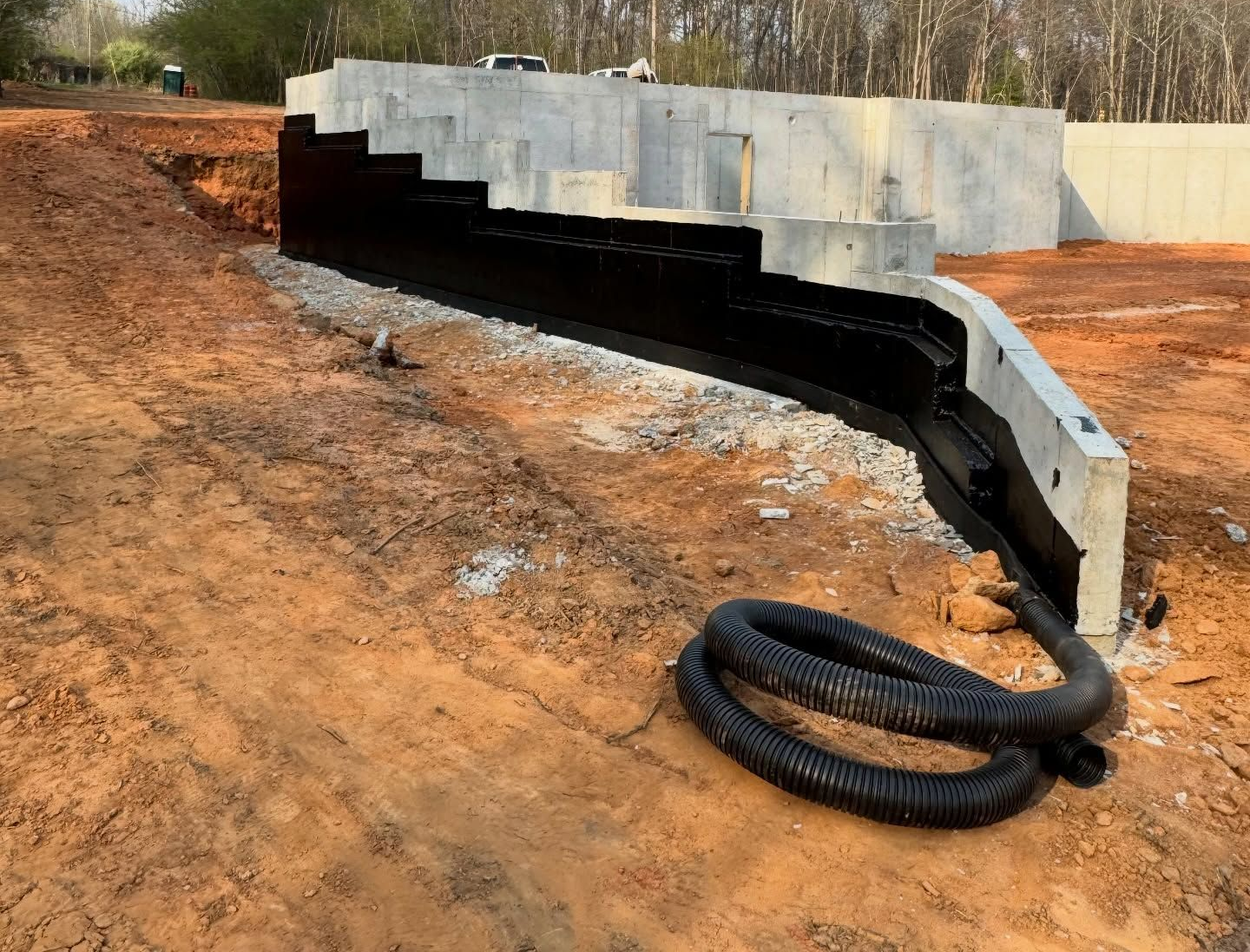
Installing effective drainage systems is critical for managing excess water around a property. Surface drains collect pooling water, while subsurface systems redirect groundwater away from the foundation. Extended downspouts help move roof runoff farther from the structure. However, installation alone is not enough. Regular maintenance is essential to ensure drains remain clear and functional. Clearing debris, monitoring soil conditions, and inspecting components after heavy rainfall help maintain performance. Well-maintained drainage systems provide consistent protection against water-related foundation and basement problems that commonly develop when exterior water management is neglected over time by homeowners and property managers without professional guidance available.
Proven Foundation Protection Through Skilled Waterproofing Services
Poor yard drainage is more than a surface-level inconvenience; it is a foundational issue that can compromise the structural integrity and livability of a property. Standing water increases hydrostatic pressure, weakens foundation walls, and introduces moisture into basements, leading to mold growth and long-term damage. By understanding how water behaves around a structure and recognizing early warning signs, property owners can take proactive steps to prevent costly repairs. Effective drainage solutions, proper grading, and consistent maintenance play a critical role in preserving a safe, dry, and stable foundation.
For property owners seeking professional support, Apex Waterproofing & Foundation Repair LLC
stands out as a trusted authority in the waterproofing service industry. Serving Hall County, GA, the company brings 10
years of hands-on experience addressing drainage-related foundation and basement issues. Their team combines technical expertise with proven solutions tailored to local soil and water conditions. From diagnosing drainage failures to implementing long-term waterproofing strategies, Apex Waterproofing & Foundation Repair LLC
is committed to protecting structures from water damage. With a reputation built on reliability, precision, and customer-focused service, they provide the confidence property owners need when safeguarding their foundations against the damaging effects of
poor yard drainage.
Recent Posts