Cracks in a home’s foundation can trigger immediate concern for homeowners, builders, and property managers alike. Because the foundation supports the entire structure, even small visible changes often raise questions about safety, stability, and long-term value. Some cracks are a natural result of concrete curing or seasonal movement, while others may indicate deeper structural issues that require prompt attention. Knowing the difference is essential for protecting your investment and avoiding unnecessary repairs—or worse, overlooking serious damage that worsens over time. Foundation problems rarely resolve themselves, and early misjudgment can lead to escalating structural stress, water intrusion, or compromised load-bearing capacity. For many property owners, uncertainty around foundation cracks creates anxiety and delayed decision-making. Clear knowledge helps eliminate guesswork and supports responsible property care.
In the construction and waterproofing industry, foundation cracks are among the most common issues inspected and repaired. Soil conditions, moisture fluctuations, construction methods, and the age of the structure all play a role in how and why cracks develop. Environmental pressures and structural design limitations often interact, making each situation unique. Understanding what types of cracks are considered normal, which ones signal potential danger, and what warning signs to monitor empowers homeowners to make informed decisions. This knowledge not only helps prevent costly repairs but also supports proactive maintenance, improves structural longevity, and preserves property value. With proper awareness, homeowners can address problems early, prioritize repairs wisely, and maintain confidence in the long-term stability of their homes rather than reacting out of uncertainty or fear.
Understanding Why Foundation Cracks Occur
How Foundations Behave Over Time
Concrete foundations are strong but not immune to movement over long periods of use. After construction, concrete naturally shrinks as it cures, which can lead to small, hairline cracks forming early. Additionally, soil beneath the foundation expands and contracts with changes in moisture levels throughout the year. Over time, this movement places stress on the foundation, often resulting in visible cracking patterns. These issues affect homes regardless of age or design, location, or construction method used.
Environmental and Structural Factors
Several external factors contribute to foundation cracks in residential and commercial structures alike. Poor drainage, expansive clay soils, heavy rainfall followed by drought, and freeze-thaw cycles can all cause uneven pressure around the foundation walls. Structural factors such as improper soil compaction, inadequate reinforcement, or design limitations may further increase the likelihood of cracking over time. Recognizing these causes helps distinguish between cosmetic issues and structural concerns, enabling informed decisions by property owners and professionals.
Cracks That Are Usually Considered Normal
Hairline and Shrinkage Cracks
Hairline cracks, typically less than one-eighth of an inch wide, are common in newer homes and buildings. These cracks often appear within the first year after construction as concrete cures and settles naturally. They usually run vertically and do not indicate structural failure in most cases. They are generally considered cosmetic and rarely affect overall foundation performance or safety when properly monitored over time by homeowners or inspectors.
Minor Vertical Cracks
Vertical cracks that remain narrow and show no signs of widening over time are often the result of natural settling processes. When these cracks are not accompanied by water intrusion or interior damage, they are generally considered non-threatening and stable. Monitoring them periodically is usually sufficient for most properties. Consistent observation helps confirm stability and prevents unnecessary repairs or concern for cautious homeowners maintaining routine inspections over time.
When Monitoring Is Enough
Normal cracks tend to remain stable without significant change across seasons or years. Marking their length and width and checking them every few months can help confirm whether they are changing noticeably. If no progression occurs, repair may be optional and primarily cosmetic in nature. This approach supports cost-effective maintenance while avoiding premature or unnecessary interventions that offer limited structural benefit and minimal long-term value for most property owners.
Cracks That Signal Potential Danger
Horizontal and Stair-Step Cracks
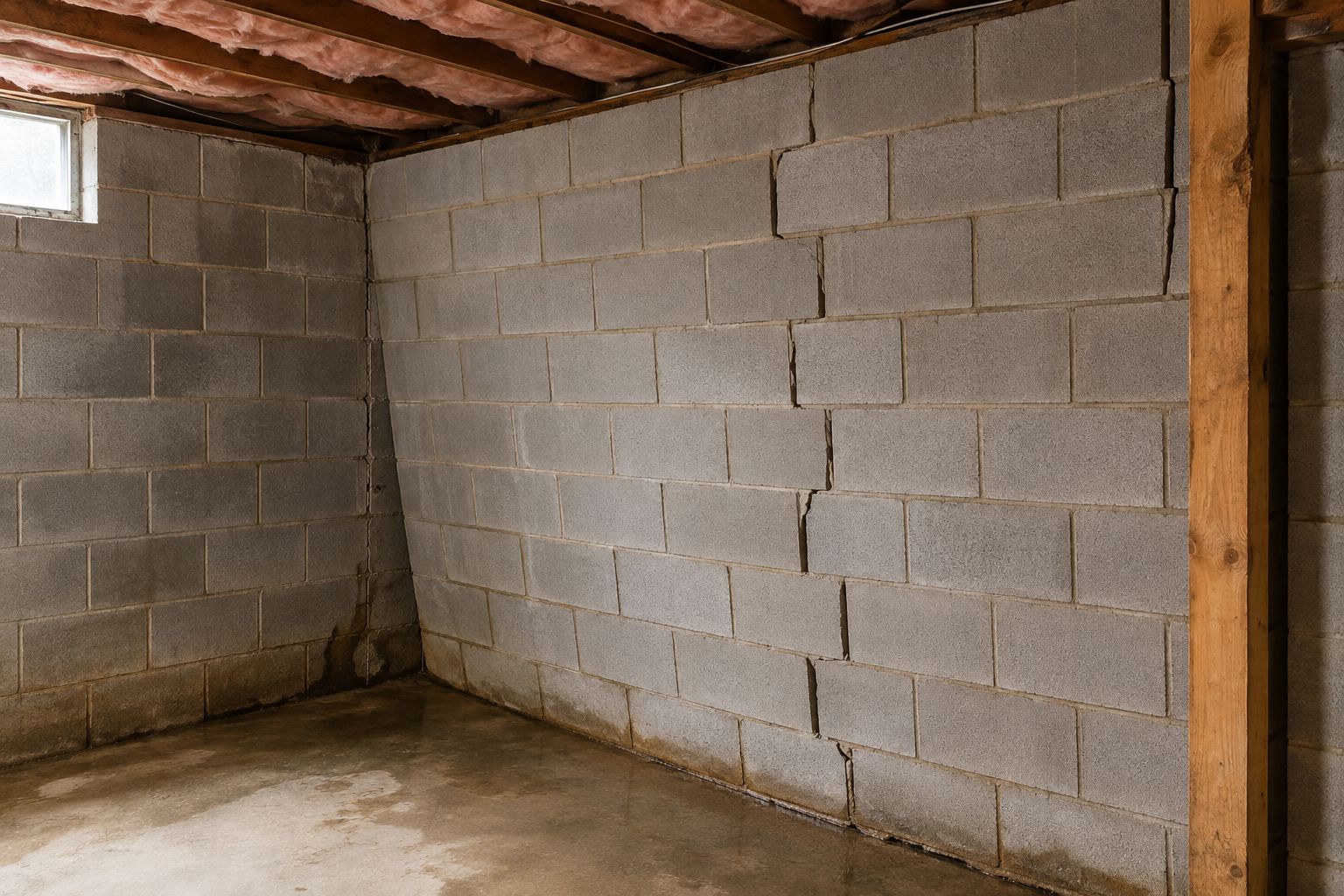
Horizontal cracks are one of the most concerning signs of foundation distress in any structure. They often indicate pressure from soil pushing against the foundation wall from outside. Stair-step cracks, commonly seen in block or brick foundations, may suggest uneven settling or lateral movement occurring below. These patterns typically require prompt evaluation by qualified professionals to determine severity, cause, and appropriate structural repair strategies early on before conditions worsen.
Wide or Expanding Cracks
Cracks wider than a quarter-inch, especially those that continue to grow, should never be ignored by homeowners. Expansion over time often signals ongoing movement or structural instability that requires professional evaluation. Delaying assessment increases the risk of costly damage, compromised safety, and reduced property value due to worsening conditions, escalating repairs, and potential impacts on surrounding structural components and interior finishes.
Associated Structural Symptoms
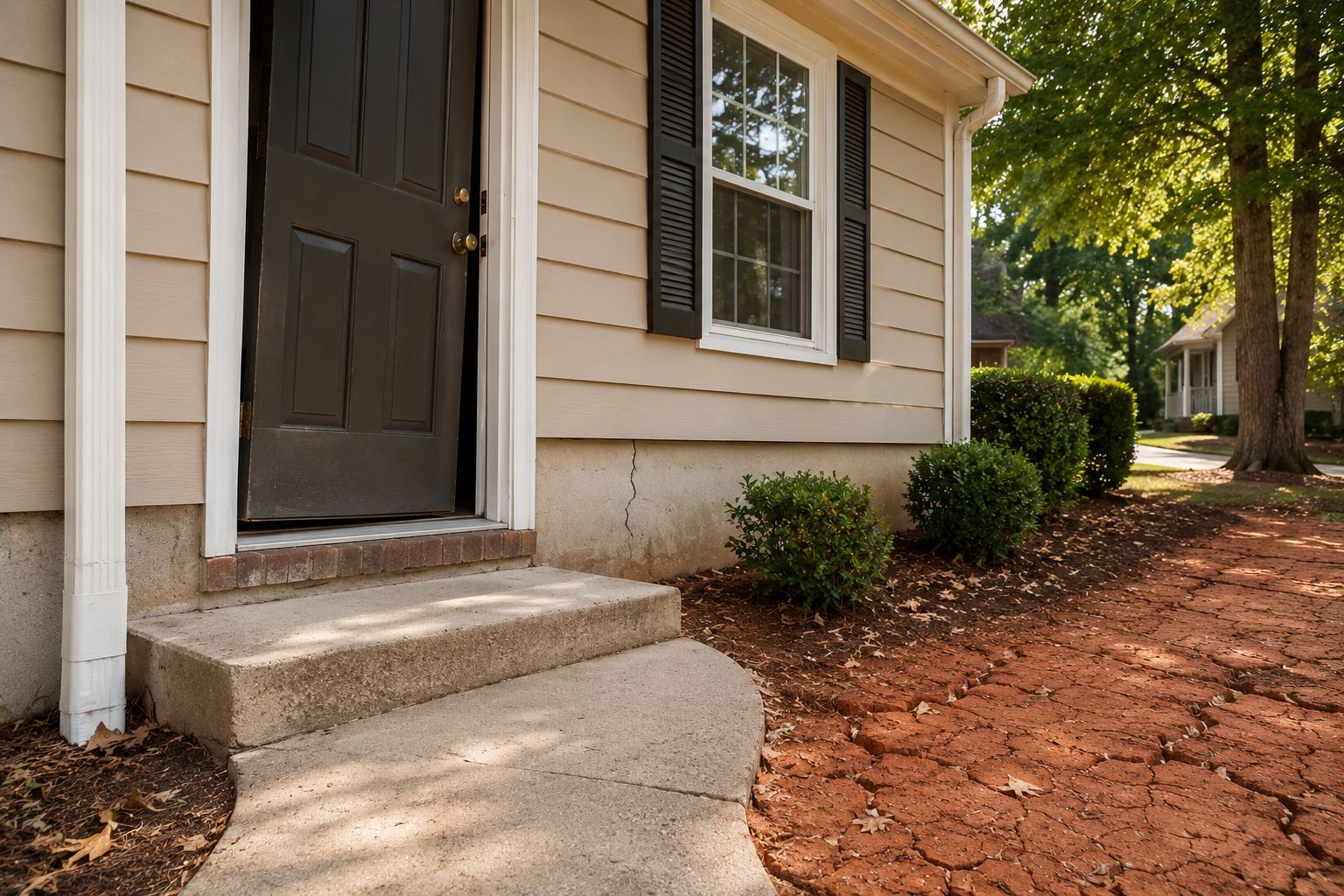
Dangerous cracks rarely appear alone without other noticeable warning signs. They are often accompanied by sticking doors or windows, sloping floors, bowing walls, or gaps between walls and ceilings indoors. These symptoms point to foundation movement affecting the entire structure. Early recognition helps limit damage and reduce long-term repair costs by prompting timely inspections, corrective actions, and preventative stabilization measures when warning signs first emerge clearly.
Water Intrusion and Foundation Cracks
Why Water Makes Cracks Worse
Water infiltration through foundation cracks can accelerate deterioration significantly over time. Moisture weakens concrete, corrodes reinforcement, and increases hydrostatic pressure against foundation walls continuously. Over time, this can transform a minor crack into a major structural problem. Consistent moisture exposure significantly raises repair complexity and costs by promoting erosion, mold growth, material decay, and hidden damage within below-grade structural elements over extended periods unnoticed.
Signs of Moisture-Related Damage
Damp basements, musty odors, mold growth, and efflorescence (white powdery residue) are indicators that water is entering through foundation cracks actively. These signs suggest that waterproofing and crack repair should be addressed promptly to prevent escalation. Ignoring moisture issues increases health risks and accelerates structural degradation while contributing to indoor air quality concerns, material damage, and higher remediation expenses over time for homeowners.
Preventive Measures
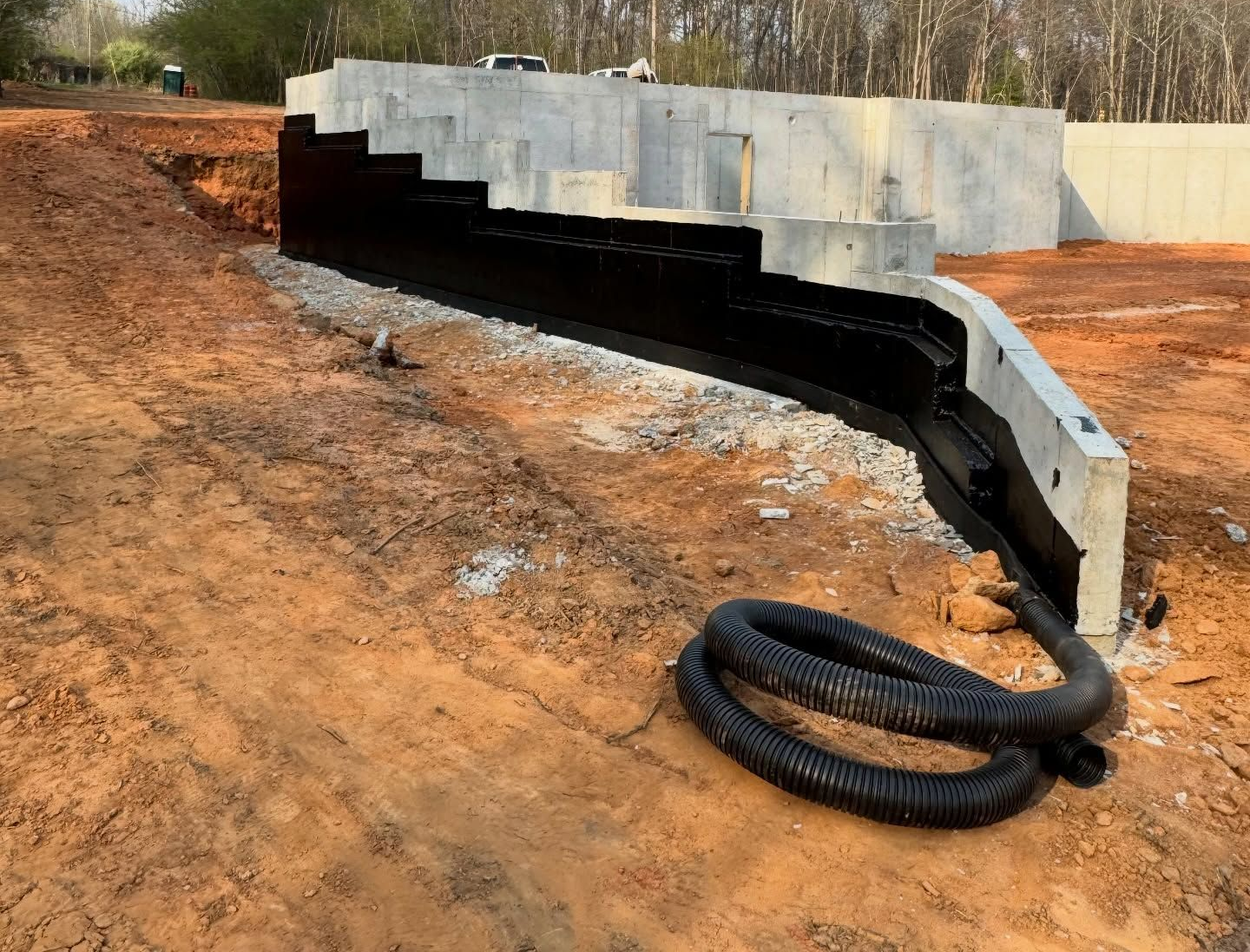
Proper drainage, gutter maintenance, and grading away from the foundation reduce moisture-related stress significantly. Sealing cracks early and addressing water intrusion can significantly extend the life of the foundation system. Preventive strategies also help maintain indoor comfort, protect finishes, and minimize long-term repair costs by controlling groundwater, relieving pressure, and preserving structural materials under varying environmental conditions year-round for residential properties.
What to Watch For as a Homeowner
Changes Over Time
The most important factor in evaluating foundation cracks is change observed over time. A crack that widens, lengthens, or multiplies warrants professional attention without delay. Seasonal monitoring helps identify patterns related to moisture or temperature fluctuations. Documenting changes supports accurate diagnosis and informed repair decisions before conditions worsen, preventing unnecessary damage, escalation, or overlooked structural concerns affecting long-term stability and safety of the home.
Interior Warning Signs
Interior cracks in drywall, separation around door frames, or uneven flooring can all point to foundation movement below. These signs often appear gradually and may be dismissed as cosmetic issues, but they can reflect deeper structural problems. Awareness encourages timely evaluation and corrective action before damage spreads, repair costs increase, and livability or safety concerns arise throughout the structure unexpectedly.
When to Seek Expert Evaluation
If cracks are growing, horizontal, leaking, or paired with structural symptoms, expert assessment is essential for protection. Early evaluation allows for targeted repairs rather than extensive reconstruction later on. Professional guidance ensures appropriate solutions, protects property value, and supports long-term structural performance by addressing root causes, minimizing disruption, and restoring stability before secondary damage affects walls, floors, or interior systems throughout the building.
Professional Insight That Safeguards Structural Integrity
Foundation cracks are not all created equal. Some are harmless results of concrete curing and normal settling, while others indicate serious structural stress or moisture-related damage. Understanding the differences empowers homeowners to respond appropriately, whether that means simple monitoring or immediate professional intervention. By paying attention to crack size, direction, location, and associated warning signs, property owners can protect structural integrity and avoid escalating repair costs. Proactive observation, timely repairs, and moisture management are key to maintaining a stable, long-lasting foundation.
For homeowners seeking reliable solutions rooted in experience and technical expertise, Apex Waterproofing & Foundation Repair LLC stands as a trusted authority in the waterproofing service industry. Serving Hall County, GA, the company brings a decade of hands-on experience addressing foundation cracks, structural concerns, and water intrusion challenges with precision and professionalism. Their approach is grounded in thorough inspections, honest assessments, and repair strategies tailored to the specific conditions of each property.
With 10
years of industry experience, Apex Waterproofing & Foundation Repair LLC
understands how regional soil conditions, moisture patterns, and construction practices impact foundations over time. This insight allows them to deliver durable solutions that go beyond surface-level fixes. By combining proven repair methods with preventative waterproofing strategies, the company helps homeowners safeguard their structures, improve indoor conditions, and protect long-term property value. Their commitment to quality workmanship and informed guidance makes them a dependable partner for foundation and waterproofing needs.
Recent Posts