Water intrusion in basements is one of the most overlooked yet damaging issues homeowners face. What often begins as a small damp patch, faint musty odor, or minor crack can quietly escalate into structural deterioration, mold growth, and costly repairs. Many homeowners mistakenly believe basement leaks are unavoidable or seasonal, failing to recognize that persistent moisture is a symptom of deeper problems. In the construction and waterproofing industry, basement water intrusion remains a leading cause of foundation damage, reduced property value, and unhealthy indoor environments.
Understanding why basements leak is critical for prevention and long-term home protection. Water does not randomly enter a basement; it follows predictable paths created by design flaws, aging materials, soil conditions, and poor drainage systems. When these issues are ignored, pressure builds against foundation walls, forcing moisture through the weakest points. By identifying common water intrusion problems early, homeowners can take proactive steps to protect their investment, avoid unnecessary repairs, and maintain a dry, stable living space. This guide breaks down the most frequent causes of basement leaks, explains how they develop, and highlights why addressing them promptly is essential for preserving structural integrity and indoor air quality.
1. Foundation Cracks and Structural Vulnerabilities
How Small Cracks Become Major Leak Points
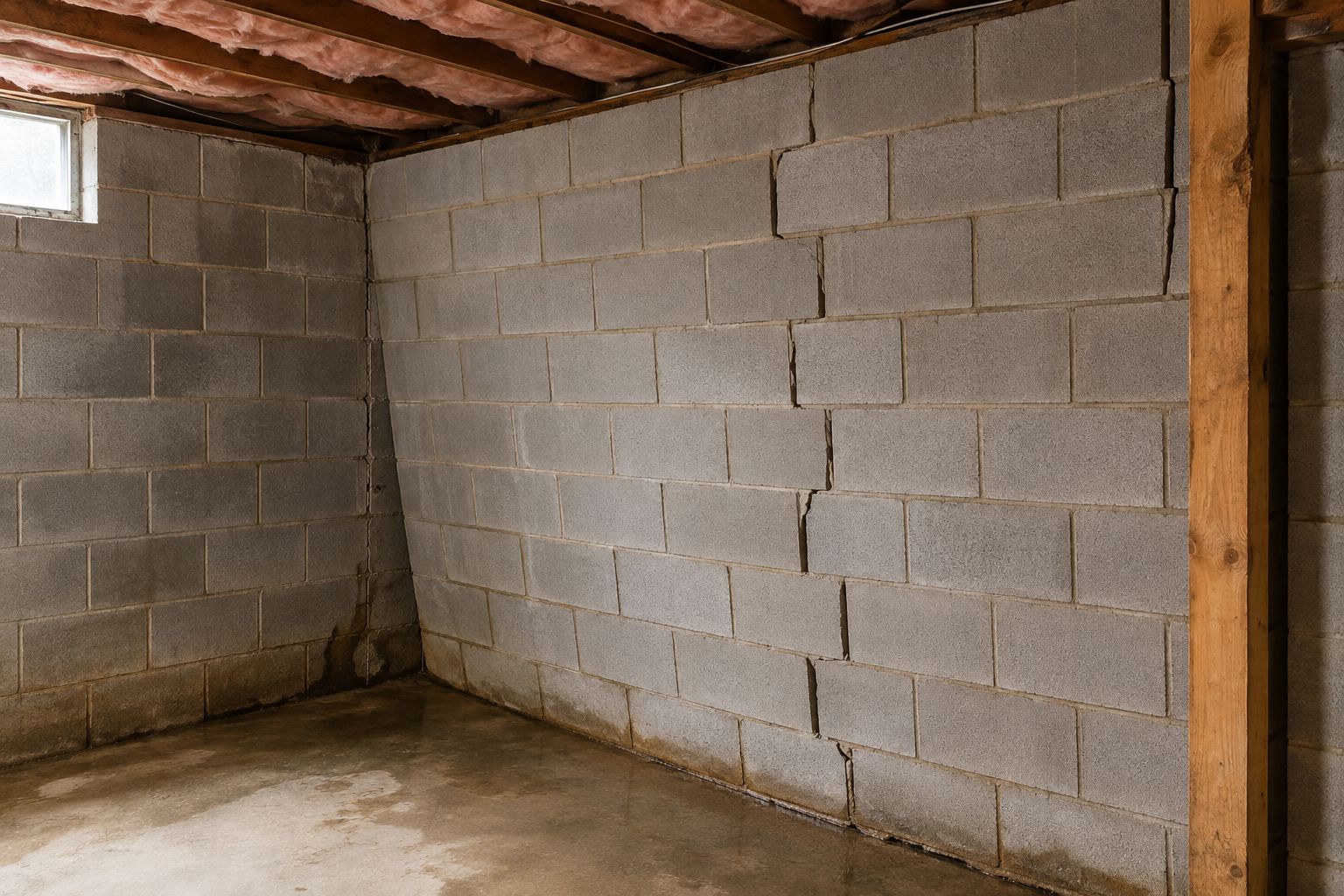
Foundation cracks are among the most underestimated causes of basement water intrusion. Hairline fractures may seem harmless, yet they gradually widen due to soil movement, freeze thaw cycles, and constant hydrostatic pressure. Water always follows the path of least resistance, and even tiny openings allow moisture to enter during heavy rainfall or snowmelt events. Over time, repeated water entry enlarges cracks, worsening leaks and accelerating structural deterioration beneath the home and threatening long term stability.
Why Homeowners Ignore Early Warning Signs
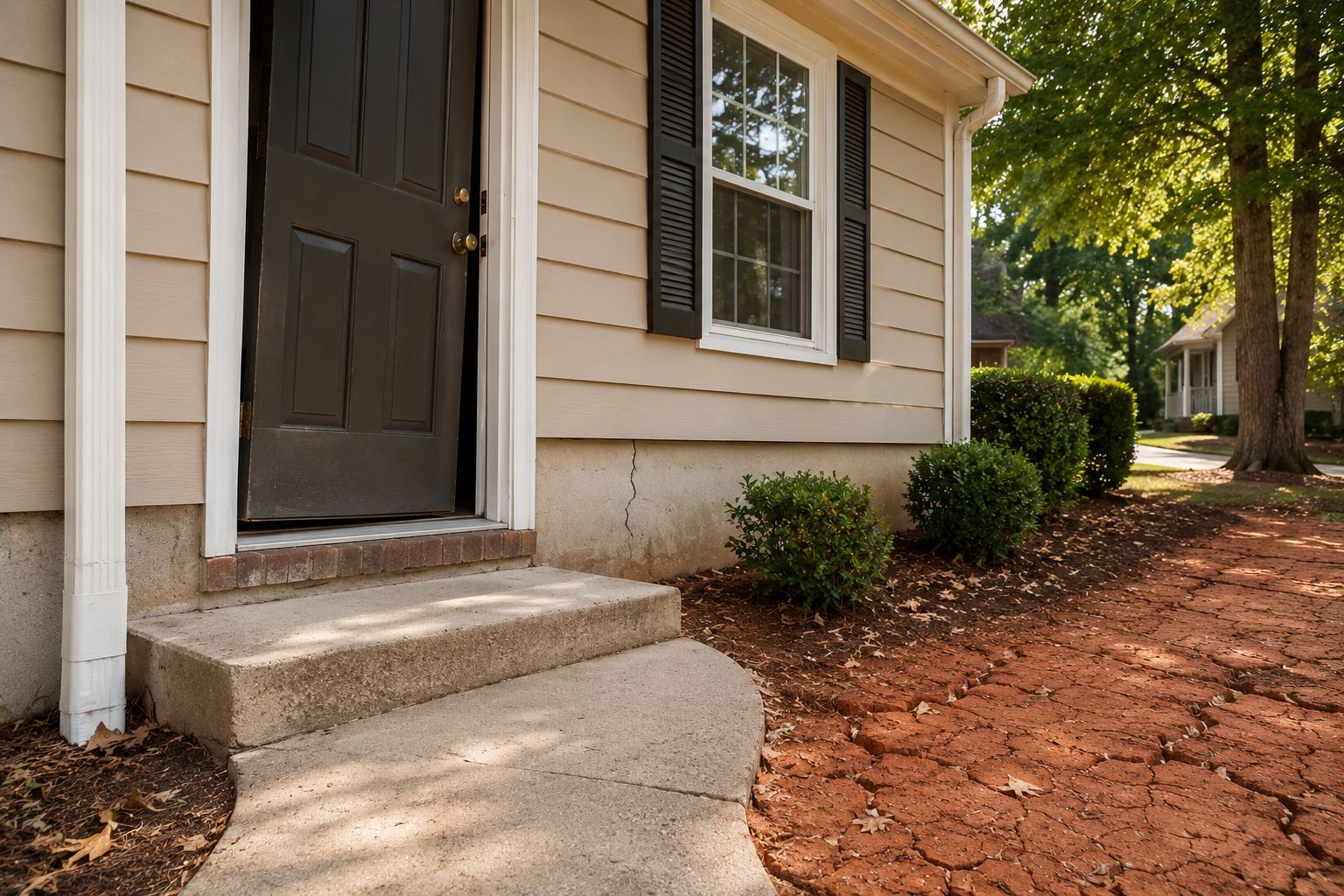
Many homeowners ignore early foundation cracks because they appear cosmetic and cause no immediate flooding. Small stains or minor dampness seem manageable, encouraging delays. However, repeated moisture exposure weakens concrete, corrodes steel reinforcement, and reduces structural integrity. Over months or years, this damage can result in bowing walls, uneven floors, sticking doors, and costly repairs that could have been avoided with early professional evaluation and intervention before problems escalate into serious structural failures and expenses.
Best Practices for Prevention
Preventing foundation related leaks requires consistent inspections and timely repairs. Regularly checking basement walls for new cracks allows issues to be addressed before water intrusion begins. Professional crack sealing, interior drainage, or exterior waterproofing solutions stop moisture at its source. Early action preserves structural stability, protects indoor air quality, and minimizes long term repair expenses while extending the overall lifespan of the foundation system for homeowners seeking durable protection against recurring basement moisture issues problems.
2. Poor Exterior Drainage and Grading Issues
The Role of Soil Slope Around the Home
Improper grading is a major contributor to basement water intrusion around many homes. When soil slopes toward the foundation instead of directing water away, rainfall collects along basement walls. This buildup increases hydrostatic pressure in the surrounding soil, forcing moisture through porous concrete, seams, and foundation joints. Over time, repeated saturation weakens structural materials and accelerates cracking, making basements more vulnerable to leaks, dampness, mold growth, and long-term foundation deterioration that compromises overall home stability.
Common Drainage Mistakes
Many basement moisture problems originate from simple drainage mistakes made around the home. Clogged gutters overflow during rainstorms, dumping water directly beside foundation walls. Short downspouts fail to carry runoff far enough away, allowing soil to become saturated. Poorly designed or misplaced drainage systems funnel water back toward the structure. Over time, repeated exposure keeps soil wet, increases pressure, and makes basement leaks likely even during moderate rainfall events that homeowners frequently underestimate until damage.
Actionable Solutions
Preventing basement water intrusion often begins with correcting exterior drainage and grading issues. Soil should slope away from the foundation to guide water outward. Downspouts must extend several feet from the home, and gutters should remain clear and functional. Regular maintenance ensures water is redirected before it can accumulate. These straightforward improvements significantly reduce soil saturation, relieve hydrostatic pressure, and dramatically lower the risk of basement leaks and long-term structural damage for homeowners across climates.
3. Window Wells and Basement Openings
Why Window Wells Trap Water
Basement window wells are meant to provide natural light and ventilation, but they often act as collection points for rainwater and runoff. When drainage is inadequate, water has nowhere to go and pools inside the well. Leaves, soil, and debris can clog drains, while cracked or missing covers worsen the problem. As water accumulates, it presses directly against window frames, increasing the risk of leaks and interior moisture intrusion.
Hidden Risks of Ignoring Window Leaks
Ignoring leaking window wells can lead to serious and often hidden damage over time. Water seeping through window frames may rot wood, corrode metal components, and stain interior walls. Persistent moisture creates ideal conditions for mold and mildew growth, impacting indoor air quality. Because leaks occur above floor level, homeowners may overlook them or misdiagnose the cause, allowing damage to spread unnoticed behind finished basement walls.
Best Practices for Protection
Protecting basement window wells requires a combination of proper installation, routine maintenance, and preventative upgrades. Ensuring each well has a functioning drain connected to the home’s drainage system prevents standing water. Regularly clearing debris keeps drainage paths open. Installing durable, secure window well covers shields against rain and runoff while still allowing light. These practices work together to reduce leaks, protect windows, and preserve basement integrity.
4. Hydrostatic Pressure and Saturated Soil
Understanding Hydrostatic Pressure
Hydrostatic pressure develops when groundwater accumulates in the soil surrounding a home’s foundation. As rainfall or poor drainage saturates the soil, the weight of trapped water increases pressure against basement walls and floors. This constant force pushes moisture through cracks, seams, and even solid concrete. Over time, repeated pressure weakens structural materials, leading to persistent leaks, damp conditions, mold growth, and gradual foundation deterioration if left unaddressed.
Why This Problem Is Often Overlooked
Hydrostatic pressure is commonly overlooked because it originates outside the home and remains invisible until noticeable damage occurs. Homeowners often focus on interior signs like water stains, musty odors, or minor leaks without considering soil saturation as the root cause. Because the problem worsens slowly, it may seem seasonal or temporary. By the time symptoms escalate, pressure-related damage may already be affecting the foundation’s integrity.
Long-Term Mitigation Strategies
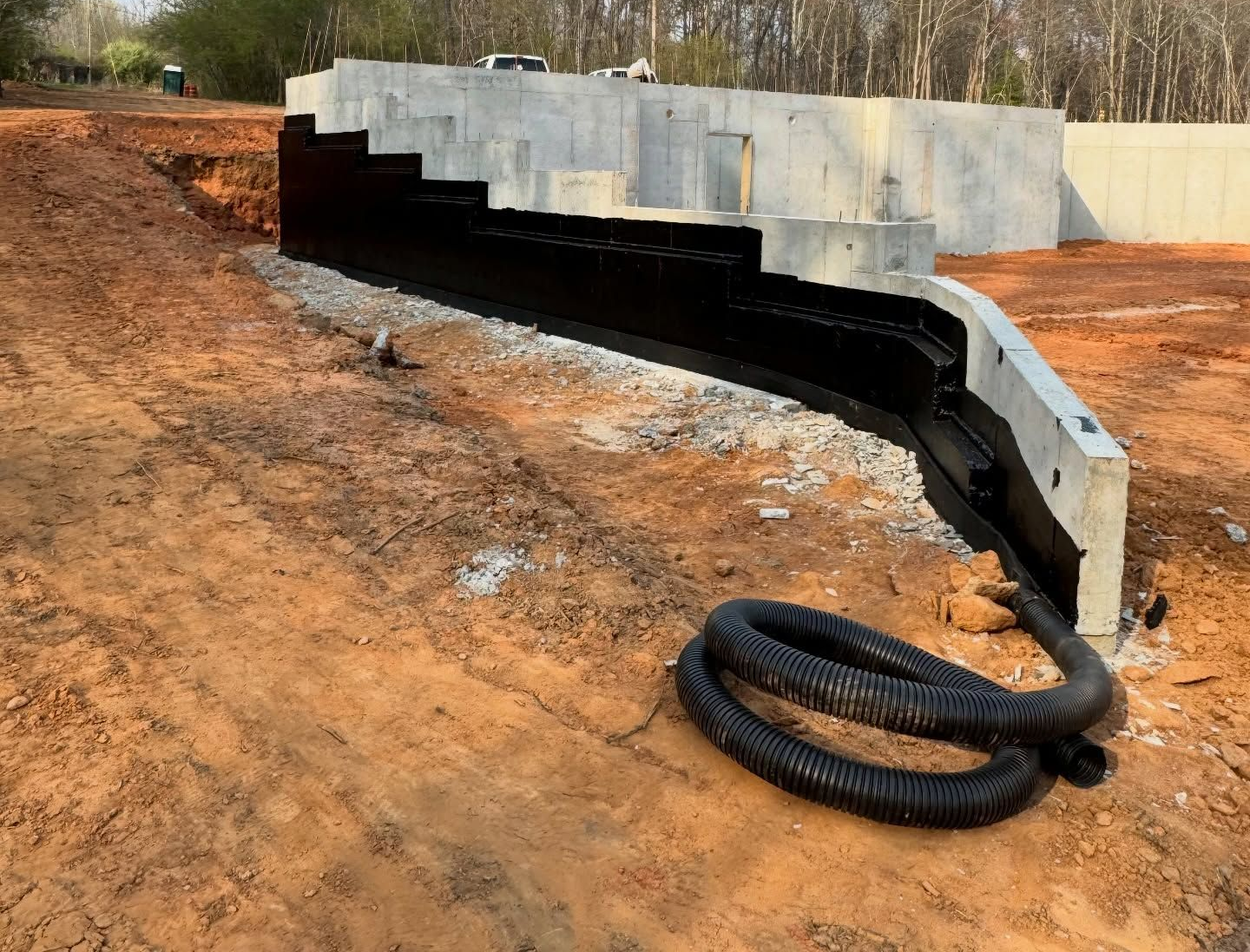
Managing hydrostatic pressure requires long-term solutions that control groundwater around the foundation. Proper exterior and interior drainage systems redirect water away before pressure builds. Waterproof membranes and sealants create protective barriers against moisture intrusion. Pressure relief systems, such as sump pumps and drainage channels, further reduce risk. When combined with professional assessment, these strategies provide lasting protection, prevent recurring leaks, and preserve structural stability over time.
5. Aging Waterproofing Systems and Construction Flaws
When Original Waterproofing Fails
Many older homes were protected by waterproofing systems that relied on materials and methods no longer considered effective. Over decades, membranes crack, sealants dry out, and coatings lose flexibility. Once deterioration begins, moisture easily penetrates foundation walls and floors. Small leaks gradually expand, leading to dampness, mold growth, and structural stress. When original waterproofing fails, basements become increasingly vulnerable to groundwater, rainfall, and seasonal hydrostatic pressure changes that accelerate long-term damage risks for homeowners everywhere.
Construction Shortcuts That Cause Problems
Some water problems stem not from age, but from construction shortcuts made during original building. Missing drainage layers, poorly compacted soil, or improperly sealed joints create hidden pathways for water. Foundations poured incorrectly or without adequate curing develop cracks earlier than expected. These flaws may remain unnoticed for years, only revealing themselves during heavy rain or soil saturation, when water pressure forces moisture through weak points deep within the structure, causing recurring interior damage later.
Importance of Professional Evaluation
Because aging systems and construction flaws are not always visible, professional evaluation is essential. Specialists can identify failing waterproofing, drainage deficiencies, and structural weaknesses before damage escalates. Modern solutions address root causes rather than symptoms, reducing the risk of recurring leaks. Investing in expert assessment and upgrades protects property value, improves indoor air quality, and delivers reliable, long-term basement protection against moisture intrusion while preventing costly repairs, health issues, and ongoing maintenance concerns for homeowners.
Experienced Specialists Delivering Permanent Foundation Protection
Basement leaks rarely happen without warning. Cracks in foundation walls, poor exterior drainage, failing window wells, hydrostatic pressure, and aging waterproofing systems all contribute to water intrusion when left unaddressed. Homeowners often ignore early signs because the damage develops gradually, but moisture problems only worsen with time. By understanding the root causes of basement leaks, homeowners can take informed steps to protect their property, improve indoor air quality, and avoid costly structural repairs. Proactive maintenance, regular inspections, and timely intervention are the most effective ways to keep basements dry and foundations strong. Addressing water intrusion early not only preserves the integrity of a home but also safeguards its long-term value and livability.
Apex Waterproofing & Foundation Repair LLC
is a trusted waterproofing service serving homeowners throughout Hall County, GA. With 10 years of hands-on experience, the company has built a strong reputation for identifying and resolving complex basement water intrusion issues. Their team understands how foundation cracks, drainage failures, and hydrostatic pressure interact to cause persistent leaks, and they apply proven solutions tailored to each property. By combining industry expertise with modern waterproofing techniques, Apex Waterproofing & Foundation Repair LLC
delivers reliable, long-term protection for homes facing moisture challenges. Homeowners looking for dependable service, clear communication, and lasting results can rely on their experience to safeguard foundations and restore dry, healthy basement environments.
Recent Posts