Many homeowners focus on visible areas of their property when addressing comfort, health, and maintenance, yet one of the most critical spaces often remains overlooked. The crawlspace, tucked beneath the home, quietly influences indoor air quality, energy efficiency, and structural stability. When problems develop in this hidden area, their effects rarely stay contained. Moisture, mold, and structural stress can migrate upward, impacting the entire living environment without obvious early warnings.
In the construction, remodeling, and home maintenance industries, crawlspace conditions are increasingly recognized as a foundational factor in long-term property performance. Poorly maintained crawlspaces contribute to respiratory discomfort, rising utility costs, and progressive structural deterioration. Understanding the warning signs allows homeowners and property managers to intervene before minor issues evolve into costly repairs. This blog explores the most common indicators that a crawlspace may be compromising both air quality and structural integrity, while explaining why these issues occur and how they affect the home as a whole. By recognizing these signs early, homeowners can protect their investment, improve indoor comfort, and ensure their property remains safe, durable, and healthy for years to come.
1. Persistent Moisture and Damp Conditions
Why Moisture Accumulates Below the Home
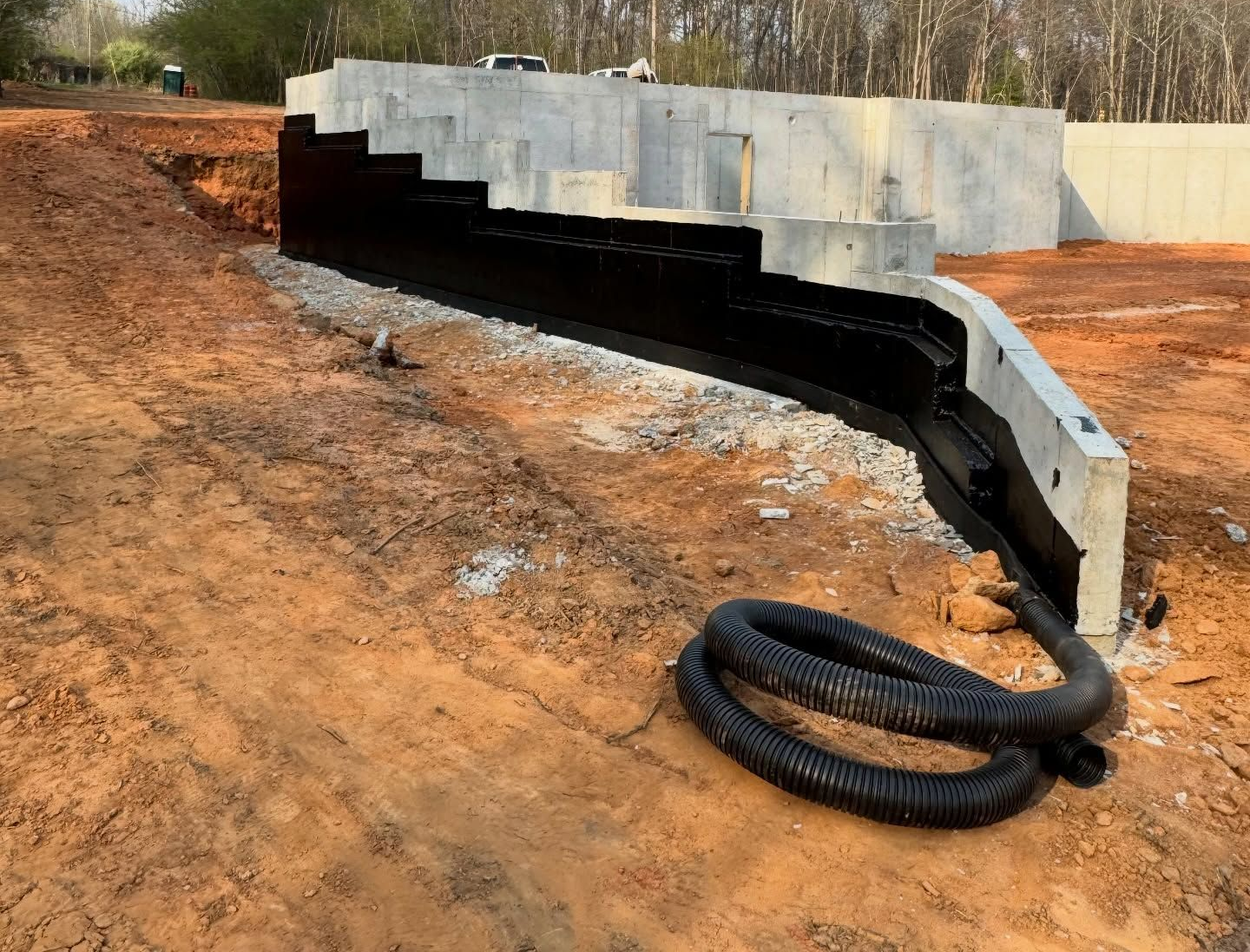
Crawlspaces naturally collect moisture because they sit below ground level and remain in contact with soil. Evaporation from the earth, poor exterior drainage, missing vapor barriers, and elevated groundwater allow moisture to build up. Without sealing or airflow, damp conditions remain trapped, creating an environment where long term problems steadily develop.
How Moisture Impacts Air Quality
Excess moisture promotes mold and mildew growth, which release spores into the air. Through the stack effect, warm air carries these contaminants upward into living spaces. Homeowners may experience persistent musty odors, allergy flare ups, respiratory irritation, and stale indoor air even when routine cleaning and HVAC maintenance are consistently performed.
Structural Risks Linked to Damp Crawlspaces
Prolonged moisture exposure weakens wood framing through rot and fungal decay. Floor joists, beams, and subflooring gradually lose strength, reducing load bearing capacity. This deterioration often results in sagging floors, uneven surfaces, and increased structural stress. If ignored, moisture damage accelerates repairs and significantly shortens the lifespan of foundational components.
2. Mold Growth and Musty Odors
Visible and Hidden Mold Indicators
Crawlspace mold is frequently concealed behind insulation, beneath flooring, or along framing members, making early detection difficult. Visible indicators include dark stains, fuzzy growth, or discoloration on wood and masonry. Even when mold is not visible, persistent musty odors often signal active microbial growth occurring below the home’s living areas.
Health Implications for Occupants
Mold spores travel upward from crawlspaces through natural air movement and pressure differences. Inhalation can aggravate asthma, trigger allergic reactions, and cause coughing or respiratory irritation. Children, seniors, and individuals with weakened immune systems face higher risks from prolonged exposure. Poor indoor air quality may persist until the source below is properly addressed.
Long-Term Material Damage
Mold consumes organic materials found throughout crawlspaces, including wood framing and insulation. Over time, insulation loses effectiveness, structural components weaken, and metal fasteners corrode more rapidly. These changes reduce energy efficiency and compromise durability. Early mold remediation protects materials, limits repair costs, and prevents small issues from escalating into extensive structural damage.
3. Failing or Missing Crawlspace Insulation
The Role of Insulation in Crawlspace Health
Crawlspace insulation helps regulate temperature, reduce moisture transfer, and support overall energy efficiency. Properly installed insulation maintains consistent indoor comfort while protecting framing materials. However, crawlspaces are harsh environments, and insulation exposed to moisture, pests, or improper installation can quickly degrade, undermining its intended performance and allowing problems to spread unnoticed.
Signs Insulation Is No Longer Effective
Sagging, compressed, or detached insulation commonly indicates moisture exposure or pest disturbance. Wet insulation loses thermal resistance and becomes vulnerable to mold growth. Homeowners may notice cold floors during winter, increased indoor humidity, or higher energy bills. These symptoms often point to insulation failure occurring beneath the home, out of direct sight.
Energy and Structural Consequences
When insulation fails, heating and cooling systems must work harder to maintain indoor comfort, driving energy costs higher. Temperature imbalances also increase condensation risks, contributing to wood rot and metal corrosion. Restoring insulation performance improves efficiency, protects structural materials, and helps stabilize moisture levels throughout the crawlspace and living areas above.
4. Structural Warning Signs Originating Below
Uneven Floors and Soft Spots
Crawlspace deterioration often reveals itself through sloping floors, soft areas, or excessive floor bounce. These symptoms suggest weakened joists, shifting supports, or moisture damaged framing. Over time, compromised structural components lose strength, increasing safety concerns. Addressing crawlspace issues early helps prevent further deformation and preserves the stability of the home’s flooring system.
Cracks and Misalignment Inside the Home
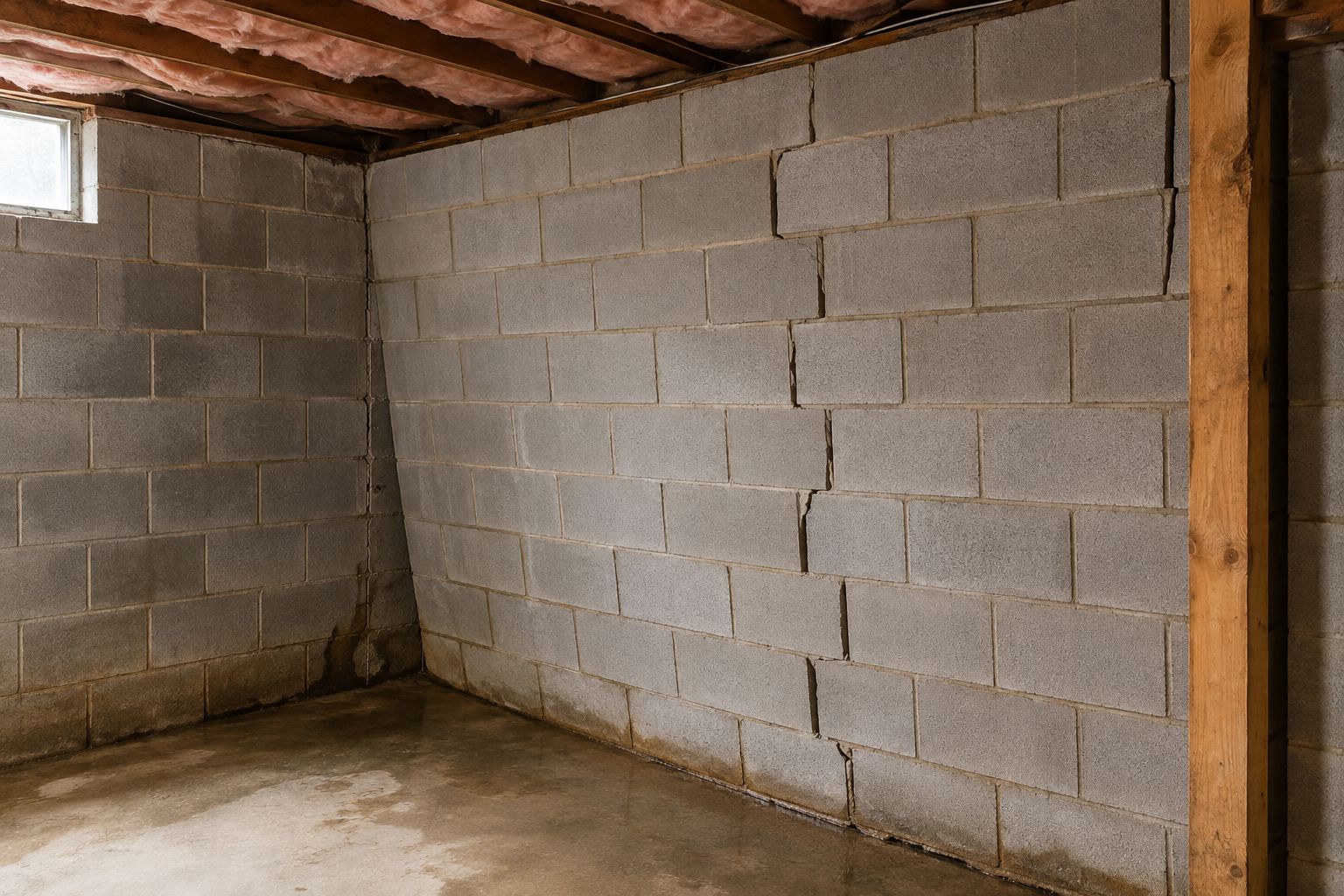
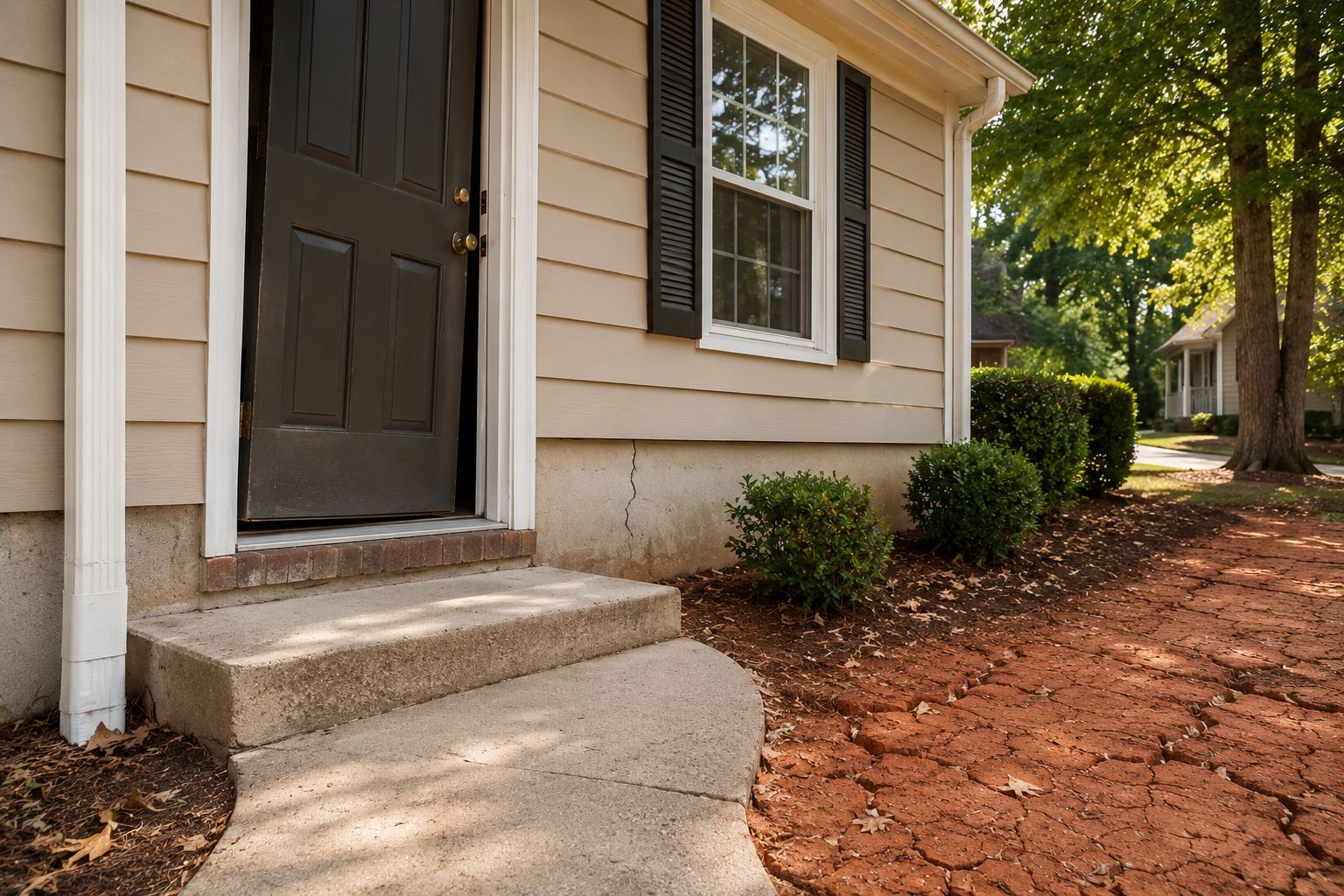
Structural stress below the home frequently causes visible interior damage. Sticking doors, drywall cracks, uneven baseboards, and gaps between floors and walls often indicate shifting supports or settling. As crawlspace components weaken or move, the home’s frame adjusts, producing misalignment that worsens without timely intervention and structural reinforcement.
Escalating Repair Risks
Ignoring early structural warnings allows damage to progress and spread. Minor crawlspace deterioration can evolve into widespread foundation instability, requiring extensive repairs. Costs rise significantly as materials weaken and access becomes more difficult. Early assessment and correction reduce disruption, protect property value, and prevent small issues from becoming major structural failures over time.
5. Increased Pest Activity and Odor Issues
Why Crawlspaces Attract Pests
Crawlspaces offer pests darkness, moisture, and protection from weather, making them ideal nesting areas. Damp wood becomes easier to chew or burrow into, attracting rodents and insects. Open vents, cracks, or gaps provide easy access. Once established, pests often remain hidden while causing damage and contaminating the space below the home.
Air Quality and Structural Concerns
Pests introduce droppings, bacteria, and allergens that contaminate crawlspace air. These pollutants migrate upward into living spaces, affecting indoor air quality. Wood destroying insects like termites and carpenter ants directly compromise structural components. Persistent odors from pest activity often signal infestations that threaten both occupant comfort and long term building integrity.
Preventive Best Practices
Reducing pest activity begins with moisture control, sealing entry points, and maintaining a clean crawlspace environment. Proper vapor barriers, air sealing, and repairs limit access and eliminate favorable conditions. Preventive measures protect structural materials, improve air quality, and reduce the likelihood of infestations that can cause costly damage if left untreated.
6. Condensation and Poor Ventilation
Understanding Crawlspace Airflow Challenges
Inadequate crawlspace ventilation traps humid air, allowing condensation to form on pipes, ducts, and framing. Seasonal temperature swings intensify moisture accumulation, particularly in humid climates. Without controlled airflow or moisture management, condensation persists, increasing the risk of mold growth, material degradation, and ongoing indoor air quality concerns throughout the home.
Impact on Systems and Materials
Condensation accelerates corrosion on HVAC components, plumbing lines, and metal fasteners, reducing system lifespan. Damp surfaces also encourage mold growth and wood decay, compounding existing crawlspace issues. As materials deteriorate, repair costs increase and system efficiency declines. Addressing condensation protects mechanical systems and preserves the structural health of the home.
Improving Crawlspace Performance
Effective crawlspace improvement focuses on moisture control, air sealing, and properly designed ventilation strategies. Managing airflow reduces humidity and prevents condensation buildup. When moisture levels stabilize, materials remain dry, mold risks decrease, and indoor air quality improves. A balanced approach ensures long term performance, comfort, and protection for both the crawlspace and living areas.
A crawlspace may be out of sight, but its condition directly influences a home’s air quality, comfort, and structural reliability. Persistent moisture, mold growth, failing insulation, structural irregularities, pest activity, and condensation are all warning signs that should never be ignored. These issues rarely resolve on their own and often worsen over time, affecting both occupant health and the durability of the home. By recognizing early indicators and understanding how crawlspace problems spread throughout a structure, homeowners can take proactive steps to protect their investment. Addressing crawlspace concerns promptly supports cleaner indoor air, improved energy efficiency, and long-term structural stability. A well-maintained crawlspace is not just a building detail; it is a critical component of a healthy, resilient home environment.
Expert Waterproofing Backed by Proven Industry Knowledge
For homeowners seeking dependable solutions to crawlspace-related air quality and structural concerns, Apex Waterproofing & Foundation Repair LLC stands as a proven authority in the waterproofing service industry. Serving Hall County, GA, the company brings 10 years of hands-on experience addressing moisture intrusion, foundation challenges, and crawlspace deterioration that threaten both comfort and safety. Their approach is rooted in technical expertise, transparent communication, and a clear understanding of how below-grade issues impact the entire home.
With a strong focus on long-term protection rather than temporary fixes, Apex Waterproofing & Foundation Repair LLC
evaluates each property with precision, identifying the root causes of moisture, air quality degradation, and structural stress. Their solutions are designed to restore balance to crawlspaces, improve indoor environments, and preserve foundational integrity. Homeowners benefit from professional guidance, industry-tested methods, and a commitment to quality workmanship. When crawlspace problems begin to affect air quality and structure, partnering with an experienced waterproofing specialist ensures lasting results, peace of mind, and a healthier living space built on a solid foundation.
Recent Posts