The foundation of a home or commercial building is more than just a structural base—it is the backbone that supports every wall, floor, and roof. Over time, even the most carefully constructed foundations can develop issues due to soil movement, water infiltration, or aging materials. Left unaddressed, these problems can escalate, compromising structural integrity and leading to significant financial burdens. Understanding the importance of early detection and professional intervention is critical for homeowners and property managers who want to protect their investments. Foundation damage is not just a cosmetic concern; it can affect safety, property value, and long-term usability of the structure.
Recognizing the signs of foundation problems and taking timely action through professional repair can save thousands in future costs. Cracks in walls, uneven floors, or doors that fail to close properly are often early indicators of underlying issues that require specialized solutions. Professional foundation repair not only stabilizes the structure but also prevents further deterioration and costly secondary damage, such as water intrusion or mold growth. By prioritizing expert assessment and remediation, property owners can safeguard both the safety and value of their investments, ensuring that the building remains sound for decades to come.
Understanding Foundation Damage
Common Causes of Foundation Problems
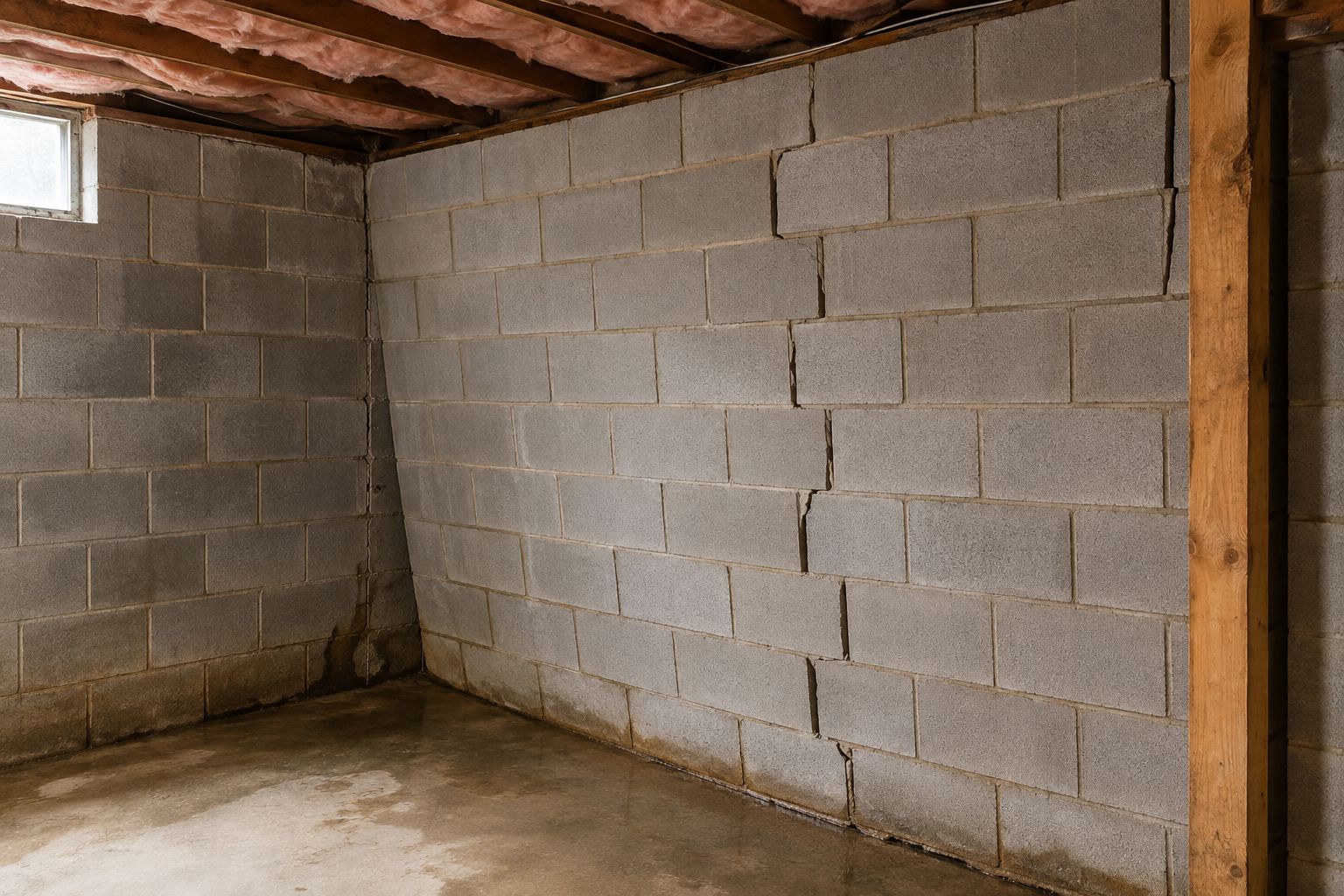
Foundation issues rarely occur overnight; they develop gradually due to a combination of environmental and structural factors. One of the most common causes is soil movement, which can be triggered by expansive clay soils, droughts, or excessive moisture. Soil expands when wet and contracts when dry, creating pressure against the foundation walls. This pressure can result in cracks, settling, or bowing of walls, compromising structural stability. Additionally, poor drainage around the building can lead to water accumulation near the foundation, weakening its support and accelerating deterioration.
Another frequent culprit is construction-related defects, such as inadequate reinforcement, improper soil compaction, or substandard materials. While newer buildings are not immune, older structures often face foundation challenges due to outdated construction methods. Environmental factors, such as erosion, tree roots, and seismic activity, also contribute to long-term stress on foundations, making proactive inspection and repair crucial.
Identifying Early Warning Signs
Early detection of foundation issues is critical to preventing extensive damage. Common warning signs include:
- Horizontal or vertical cracks in walls or floors
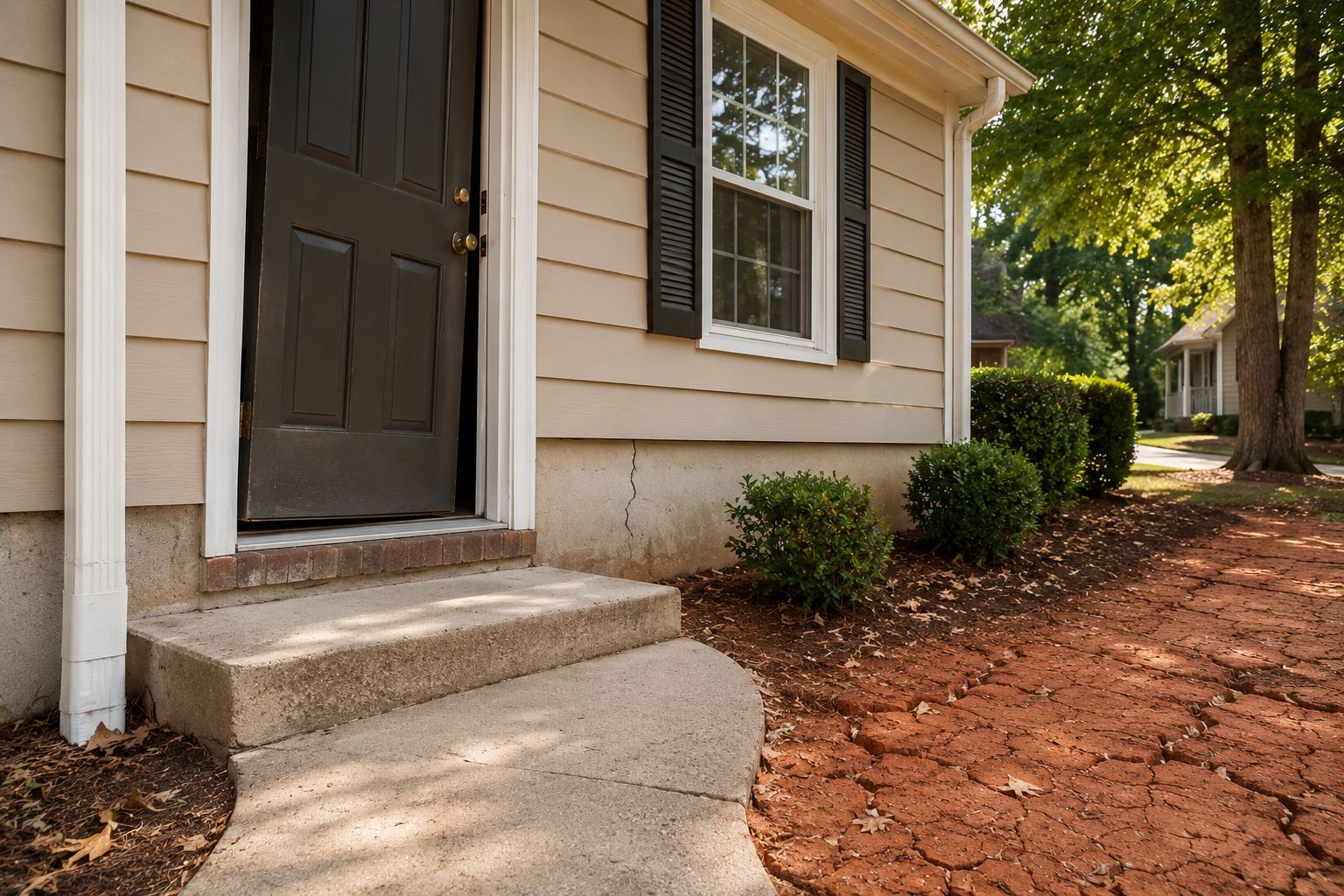
- Doors and windows that stick or fail to close properly
- Uneven or sloping floors
- Gaps between walls, ceilings, and floors
- Bowed or leaning foundation walls
Even minor symptoms should not be dismissed. Early intervention allows for less invasive repair methods and reduces the risk of secondary damage, such as water infiltration or mold growth. Ignoring these signs can escalate the severity of the problem, leading to significantly higher repair costs and potential safety hazards.
By understanding both the causes and early indicators of foundation damage, property owners can make informed decisions about maintenance and repairs. Addressing issues promptly ensures long-term structural integrity and minimizes the risk of costly surprises.
Benefits of Professional Foundation Repair
Structural Stability and Safety
Professional foundation repair restores structural stability, ensuring that the building remains safe for occupants. Proper repair methods, such as underpinning, pier installation, or slab stabilization, redistribute weight and relieve stress on weakened areas. This prevents further settling and reduces the risk of collapse or structural failure. Safety extends beyond immediate stability; a repaired foundation helps prevent long-term hazards like mold growth, uneven flooring, or water damage that could compromise health and habitability.
Financial Advantages
Investing in professional foundation repair is financially prudent. While DIY solutions or temporary fixes may seem cost-effective, they often fail to address the underlying issue. Professional repair prevents minor problems from escalating into major structural failures that require expensive reconstruction. Moreover, properties with well-maintained foundations retain higher market value, making professional repair an investment in long-term asset protection.
Enhanced Property Longevity
A repaired foundation prolongs the life of the structure. Corrective measures prevent gradual deterioration of walls, floors, and roofing systems, ensuring that the building remains functional for decades. Professional repair techniques also improve resistance to environmental stressors such as soil movement and water intrusion, which are leading causes of foundation-related problems. Ultimately, a strong foundation serves as a safeguard for every other component of the building, protecting both structural integrity and occupant safety.
Real-World Applications and Scenarios
Residential Properties
In residential settings, foundation problems often manifest subtly, starting with minor cracks in basements or uneven flooring. For example, a homeowner may notice doors sticking or gaps forming around window frames. Professional repair in these scenarios involves careful inspection, soil analysis, and targeted corrective measures such as piering or wall stabilization. Prompt action not only restores structural integrity but also prevents further damage to interior finishes and landscaping.
Commercial and Industrial Buildings
Commercial buildings face higher stakes when foundation problems arise due to larger loads and complex structural designs. In warehouses, manufacturing plants, or multi-story office buildings, foundation issues can disrupt operations and pose safety risks. Professionals utilize advanced tools such as laser leveling, load distribution calculations, and hydraulic piering to stabilize structures. Timely intervention minimizes downtime and reduces potential financial losses from halted operations or insurance claims.
Case Example
A classic case involves a mid-sized office building experiencing uneven floors and small wall cracks. While initial cosmetic repairs addressed surface damage, a professional assessment revealed soil settlement beneath the foundation. Targeted pier installation and wall stabilization corrected the underlying problem, preventing further structural compromise and safeguarding property value. This example underscores the importance of comprehensive, expert-driven solutions rather than temporary fixes.
Challenges and Considerations
Identifying the Root Cause
One of the primary challenges in foundation repair is accurately identifying the root cause of the problem. Misdiagnosis can lead to inappropriate repair methods that fail to fully resolve the issue. For instance, assuming that visible cracks are purely cosmetic might result in superficial patching, allowing soil settlement to continue unchecked over time. Professional inspections include soil testing, detailed structural assessment, and advanced diagnostic tools to determine the precise underlying cause effectively.
Environmental and Site Constraints
Foundation repair can be heavily influenced by site-specific conditions such as proximity to water bodies, local soil composition, and surrounding vegetation growth. These factors require customized solutions, including specialized drainage systems, retaining structures, or engineered piering designed for the property. Environmental regulations may also dictate certain repair approaches, especially in areas prone to erosion, flooding, or seasonal water accumulation. Proper planning ensures long-term success in addressing these constraints efficiently.
Cost and Logistics
While professional repair provides long-term savings, upfront costs can often be significant and must be carefully considered. Planning involves balancing budget constraints, structural needs, and the urgency of intervention for safety and preservation. Scheduling repairs to minimize disruption, coordinating heavy equipment, and ensuring strict compliance with local building codes are additional logistical considerations. Despite these challenges, professional oversight ensures that repair is effective, durable, and fully code-compliant.
Best Practices for Foundation Maintenance
Regular Inspections
Routine inspections are the first line of defense against costly foundation issues and potential structural failure. Professionals recommend semi-annual or annual checks to identify early signs of stress, such as minor cracks, moisture accumulation, or shifting soil patterns. Proactive monitoring allows for timely interventions before problems escalate into more extensive damage or safety hazards. Regular assessments help ensure the foundation remains stable and structurally sound over time.
Effective Drainage Management
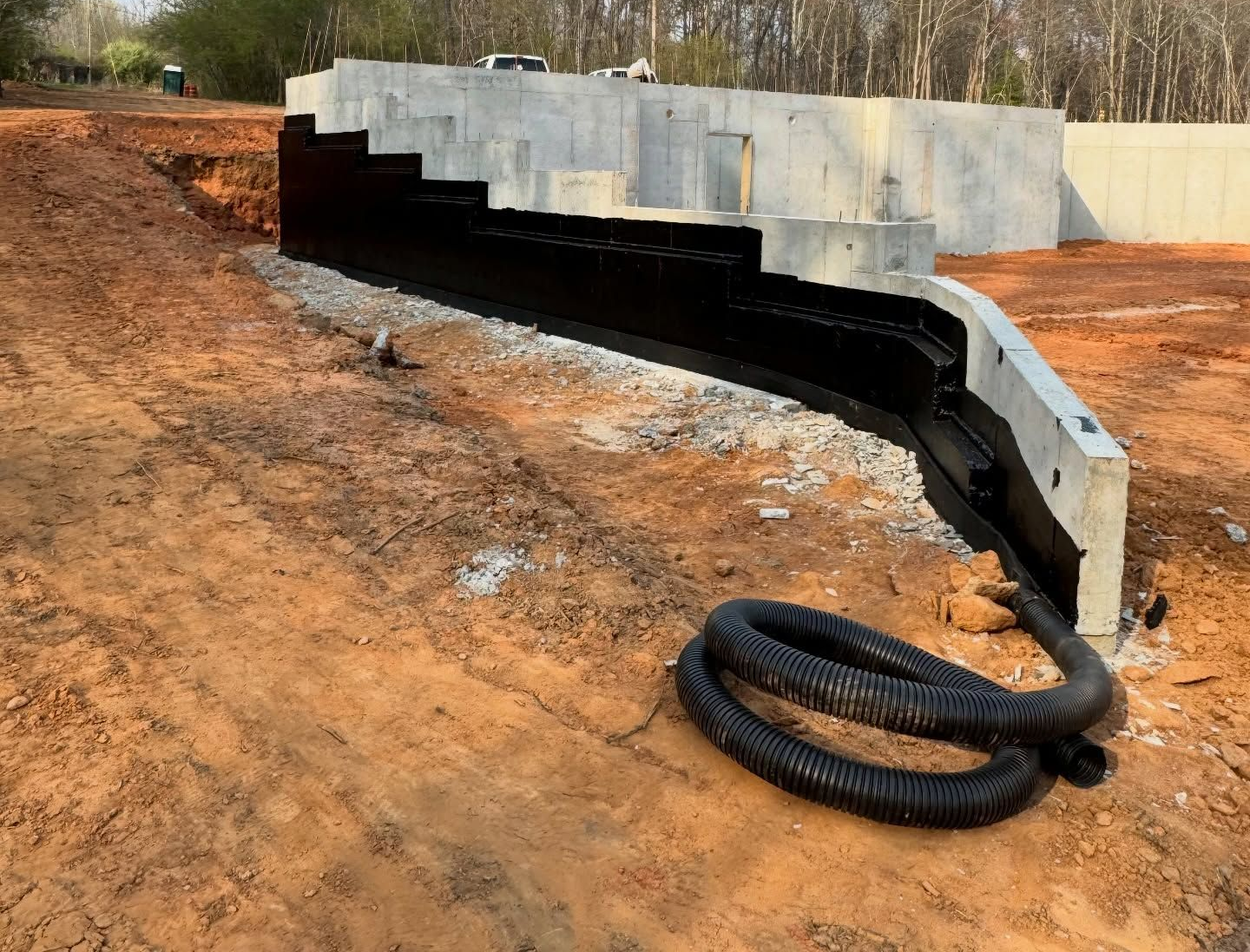
Proper water management around the foundation is absolutely crucial for preventing long-term damage. Installing gutters, grading the landscape, and ensuring adequate drainage consistently prevents water from pooling near structural elements. Moisture control mitigates soil expansion, erosion, and subsequent pressure on the foundation walls, preserving integrity. Incorporating effective drainage systems significantly reduces the risk of foundation-related structural problems in the future.
Professional Consultation
Whenever foundation issues are suspected, consulting licensed experts is essential to avoid costly mistakes or ineffective fixes. Professionals provide comprehensive assessments, recommend the most appropriate solutions, and execute repairs with precision and care. Avoiding DIY fixes or temporary measures reduces the risk of repeated problems, secondary damage, and costly reconstruction efforts. Expert guidance ensures long-lasting stability and structural integrity.
Ongoing Maintenance
Beyond immediate repairs, ongoing maintenance is key to ensuring foundation longevity and continued stability. Addressing minor cracks promptly, monitoring soil moisture levels, and performing seasonal evaluations help maintain the foundation’s integrity over time. A disciplined approach to maintenance enhances the building’s resilience against environmental stressors, structural wear, and gradual deterioration. Consistent upkeep ensures that repairs continue to protect the property long-term.
Dependable Foundation Solutions for Every Property Type
Professional foundation repair is not merely a reactive solution; it is a strategic investment in structural integrity, safety, and financial security. By identifying issues early, implementing targeted repair methods, and maintaining ongoing preventive measures, property owners can avoid extensive damage and costly reconstruction. Understanding common causes, recognizing warning signs, and relying on expert assessment are critical to preserving the longevity of any building. Whether for residential or commercial properties, professional repair safeguards against hazards, supports structural stability, and enhances property value over time. Prioritizing expert-driven solutions ensures that minor issues do not evolve into major structural failures.
At Apex Waterproofing & Foundation Repair LLC, we bring 10
years of experience in providing reliable, professional foundation solutions to properties in Hall County, GA. Our commitment to quality, thorough inspections, and precise repair techniques allows us to prevent structural damage before it escalates. By combining advanced technology with proven repair strategies, we deliver lasting results that protect both buildings and investments. Trust us to stabilize foundations, enhance safety, and safeguard the long-term value of every property we service.
Recent Posts